
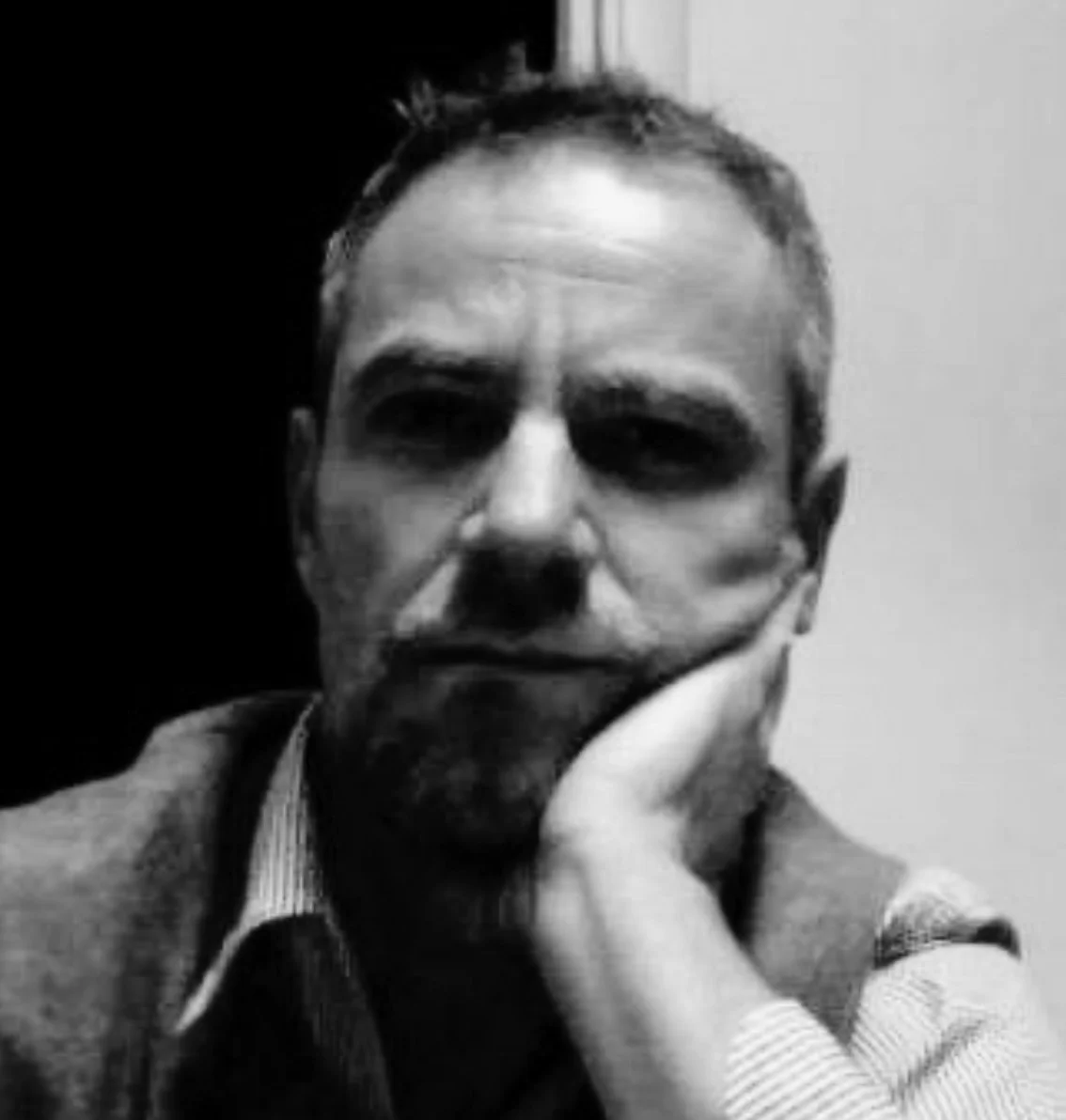
Stefano Serafini

With a background as medievalist. He's a founder member of the International Society of Biourbanism and researcher in the field of Epistemology, with a special interest in Intentionality and Form. He devoted 10 years to the study of Evolution and self-organization, and has carried on an original research on the origins of Semitic alphabets, together with his master, geneticist Giuseppe Sermonti. Among his publications: the Italian edition of Antonio Lima-de-Faria, Evolution without Selection. Form and Function by Autoevolution, Biourbanism as a new framework for smart cities studies, SEGNISEED. A service design experiment implemented in the urban context.
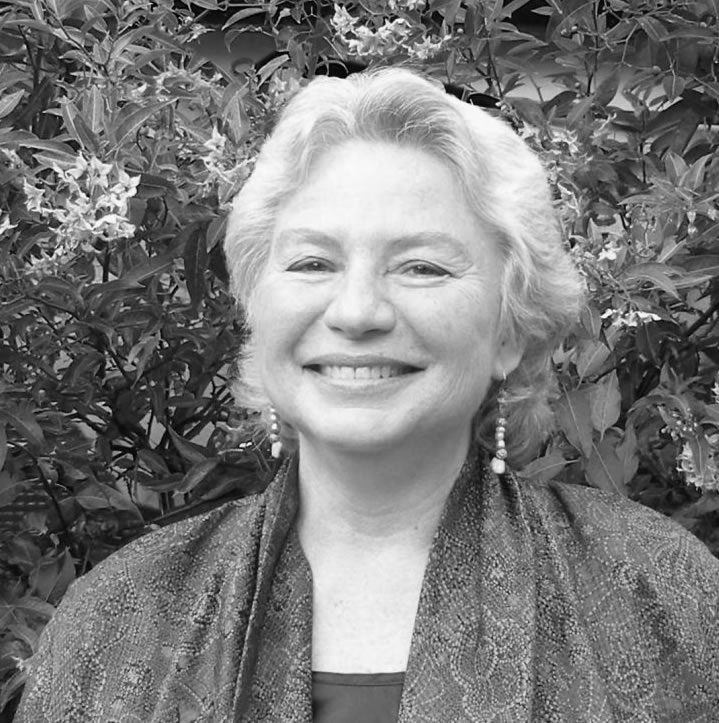
Maggie Moore Alexander
President and Co-founder
Maggie Moore Alexander is the President of The Center for Environmental Structure (CES), which was established by Christopher Alexander in 1967 as a non-profit educational institution in California, USA. It has offered architects and engineers the opportunity to delve into profound research in the nature and qualities of Architecture and concurrently see the results manifested in actual buildings and projects designed and built worldwide. The Christopher Alexander & Center for Environmental Structure Archive provides access to this body of work.
Over the years, the educational and research character was expanded to include professional design and construction of towns and neighborhoods, buildings and interior spaces, public spaces and gardens, office furniture, hand-made tiles and other artifacts. Experimentation and research has been the main ingredient that attributes a particular quality to CES’s architectural work, distinguishing it from other contemporary architecture.
In many parts of the world, Professor Alexander and colleagues, including architects, engineers, city planners, students, and lay people who would occupy the built structures produced, worked together to design and build environments with life and beauty. Each project involved new design and construction methods and/or materials. Altogether these projects represent a coherent body of work that continues to grow as people in neighborhoods, communities and cities get more involved in shaping or renewing their built environments, and search for tools to do this in a more human and effective way. Building Beauty continues to support these efforts with our students and supporters.
CES publishes Christopher Alexander’s The Nature of Order, a four-book series in which he explores the properties of life itself, highlighting a set of well-defined structures present in all order – and in all life – from micro-organisms and mountain ranges to good houses and vibrant communities.
Book 1 – The Phenomenon of Life
Book 2 – The Process of Creating Life
Book 3 – A Vision of A Living World
Book 4 – The Luminous Ground
These books provide the theoretical backbone of Building Beauty.
Maggie served as Alexander’s editor, and worked with him to produce The Nature of Order and The Battle for the Life and Beauty of the Earth: A Struggle Between Two World-Systems, as well as other projects. She has a Masters Degree in Organization Change and Development.
maggiemoorealexander@buildingbeauty.org


Sergio Porta
Professor and Co-founder
Sergio Porta, architect and PhD in Urban Planning, is Professor of Urban Design and Director of UDSU (Urban Design Studies Unit) in the Department of Architecture of the Univ. of Strathclyde in Glasgow, UK. His research is on Sustainable Urban Design, including masterplanning for adaptive urbanism, urban morphology and evolution, network analysis of urban spatial systems, community based construction process and beauty generation, construction and therapy.
He has published over forty papers on international peer-reviewed journals and two monographs. He sits on the editorial boards of several leading journals of urban science and design and has been invited speaker at various international seminars conferences including UN-Habitat in Geneva and Barcelona, University of Cambridge, UCL London and Venice Biennale.
sergio.porta@buildingbeauty.org

Susan Ingham
Core Faculty Member and Co-founder
Susan Ingham is a licensed architect practicing in Seattle, Washington. Her firm, KASA Architecture, was founded in 2004 and specializes in residential design. The main focus of her work is to try to create environments with beauty where her clients can feel a deep sense of belonging. Susan obtained both her bachelor’s and master’s degrees in architecture from the University of California, Berkeley, where she studied and worked intensively with Christopher Alexander and his colleagues. Susan has given lectures at national and international conferences, and her work has been published in several books and periodicals.

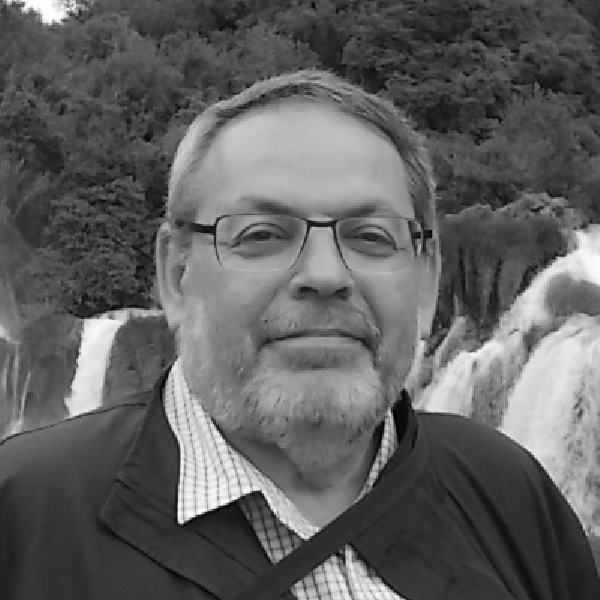
Yodan Rofè
Course Director and Co-founder
Yodan Rofè is a an architect and urban planner with over 20 years professional, teaching and research experience. He was founder and Board Member of the Movement for Israeli Urbanism (MIU) and served for five years as Head of Urban Design at Israel’s Ministry of Construction and Housing. His research interests include the building processes and structure of informal settlements, urban form and movement, accessibility and equity, cognition and feeling in the built environment and urban public space and street design. Together with Allan Jacobs and Elizabeth Macdonald he authored The Boulevard Book: history, evolution, design of multi-way boulevards published by MIT Press. Recently edited together with Kyriakos Pontikis the book: In Pursuit of a Living Architecture: Continuing Christopher Alexander's Quest for a Humane and Sustainable Building Culture published by Common Ground Publishers.
http://in.bgu.ac.il/en/bidr/SIDEER/MID/Pages/staff/Yodan_Rofe.aspx
https://bgu.academia.edu/YodanRofe
https://www.researchgate.net/profile/Yodan_Rofe

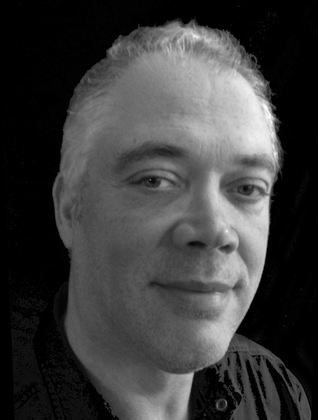
Christopher R. Andrews
Core Faculty and Co-founder
Christopher Robin Andrews is a licensed architect in the State of California. He chairs Oakland's Landmarks Preservation Advisory Board, and is an adjunct instructor at the University of San Francisco's Architecture & Community Design Program. With over 25 years of experience as an architect and urban designer, he brings an understanding of sustainable and culturally competent practice to the full range of environmental design, from the design of carpets and furniture, and architecture at all levels of scale, with a special focus on historic preservation and town planning.

Dan Klyn
Beautiful Software Initiative Faculty
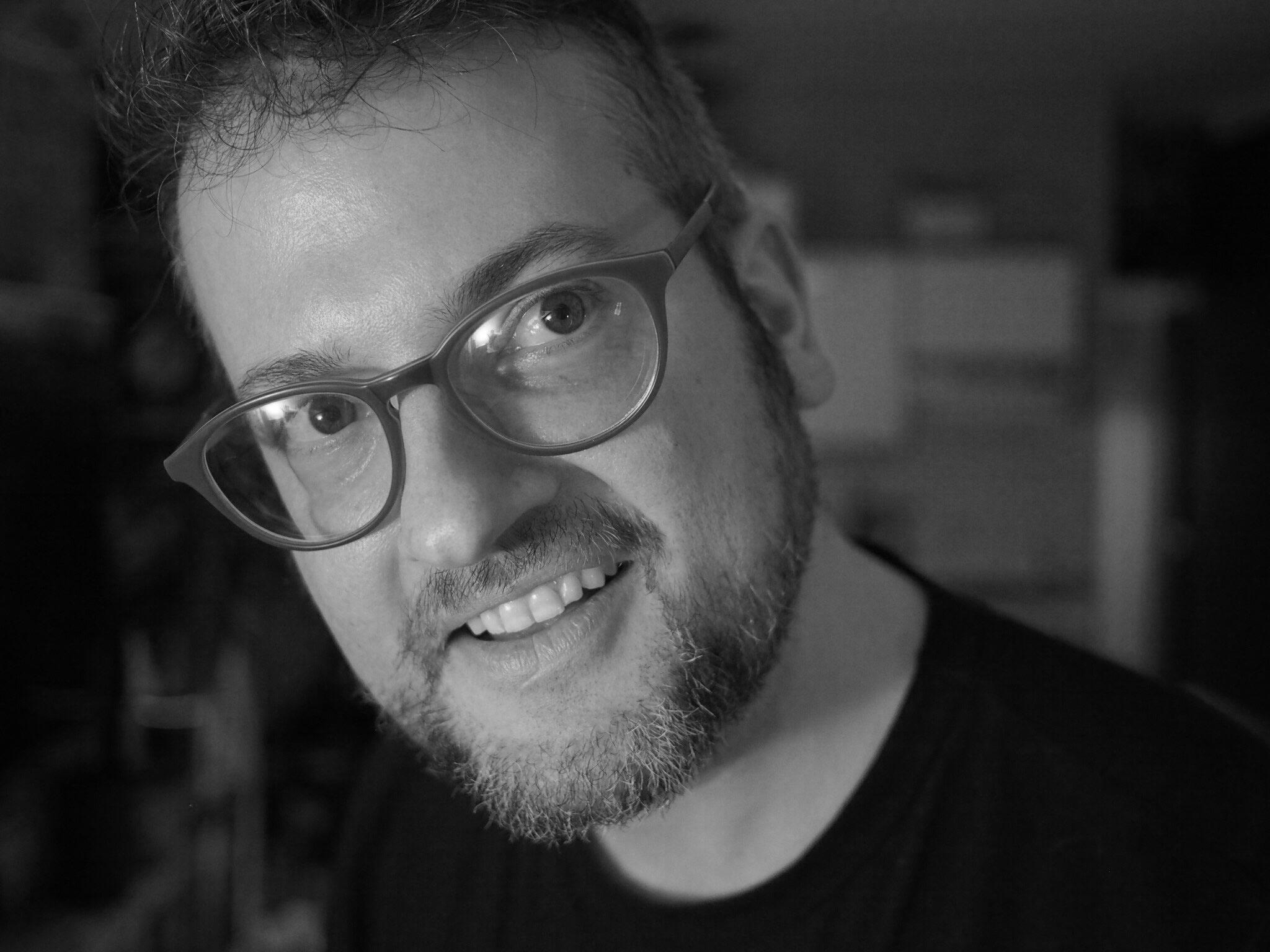
Dan Klyn is an information architect in the United States, and the focus of his consulting firm, The Understanding Group (TUG), is to help make information environments and places made of information that are good for people. Dan holds a bachelor's degree in English language & literature, a master's degree in library and information science, and teaches information architecture to graduate students at the University of Michigan School of Information.
In April of 2018, Dan concluded a 2-year term as President of the Information Architecture Institute.

Greg Bryant

Beautiful Software Initiative Faculty
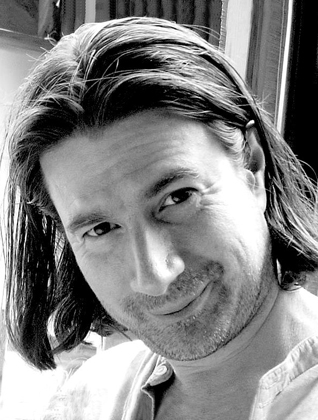
Greg Bryant is computer scientist and engineer with four decades experience, including several decades of bleeding-edge product development in silicon valley. He’s currently on the research faculty of the University of Oregon, and battles administrative managerialism as a member of the university senate. He’s also an urban activist. He co-founded two non-profit special-purpose community centers (a school promoting human-powered transport, and an Argentine tango dancehall), and successfully defunded urban renewal in Eugene, Oregon with a ballot measure — which predictably led to a downtown revival. He worked with Christopher Alexander for about ten years, mostly on pedagogical software and media experiments. He edits Rain Magazine, a journal of grassroots community projects.
Duo Dickinson
Building Beauty Knowledge Exchange Director
Duo Dickinson, Cornell 1977, has built over 700 things. 30 percent of his work is pro bono or at-cost work.
He has received more than 30 awards, has been widely published and given over 100 talks is co-founder of The Congress of Residential Architecture (CORA), he has taught at Yale and Roger Williams College.
Dickinson has written seven books, including The Small House, The House You Build, and A Home Called New England has just been published, and is active in radio and media. He was elected a Fellow in AIA in 2017.
Website: www.duodickinson.com
Blog: https://savedbydesign.wordpress.com
Facebook: https://www.facebook.com/duo.dickinson
Twitter: @duodickinson
Instagram: https://www.instagram.com/duodickinsonarchitect/
Houzz: https://www.houzz.com/pro/duodickinson/duo-dickinson-architect
Linked In: https://www.linkedin.com/in/duo-dickinson-5aa600b/
Pinterest: https://www.pinterest.com/duodickinson/


Or Ettlinger

Or Ettlinger, PhD, is an Associate Professor at the Faculty of Architecture of the University of Ljubljana, Slovenia, and former Associated Member of the Cluster of Excellence “Image Knowledge Gestaltung. An Interdisciplinary Laboratory” at the Humboldt University of Berlin.
His education and experience span the fields of architecture, software engineering, digital imaging, information visualization, and theory of art and architecture. He authored the book The Architecture of Virtual Space and a series of ensuing articles, which formulate a consistent theory of virtuality, and study the history of architectural creations intended for pictorial mediums. He founded and leads the “Creativity Studio”, an interdisciplinary educational framework for expanding creative skills through teamwork on mind-bending design projects.
His current areas of interest are methodologies and neuroscience of artistic creativity, and the search for beauty in art and architecture.
Michael W Mehaffy
Michael W Mehaffy, Ph.D., is a designer, builder, author, researcher, educator, and consultant in building and development, with an international practice based in Portland, Oregon. He has held teaching and/or research appointments at six universities in five countries, and he is on the editorial boards of two international journals. He is also on the boards of four NGOs including Portland-based Sustasis Foundation, where he is Executive Director, and the London-based International Network for Traditional Building, Architecture and Urbanism (INTBAU). Michael studied and worked closely with Christopher Alexander, and has published extensively on his work.
www.sustasis.net

Michael Batty
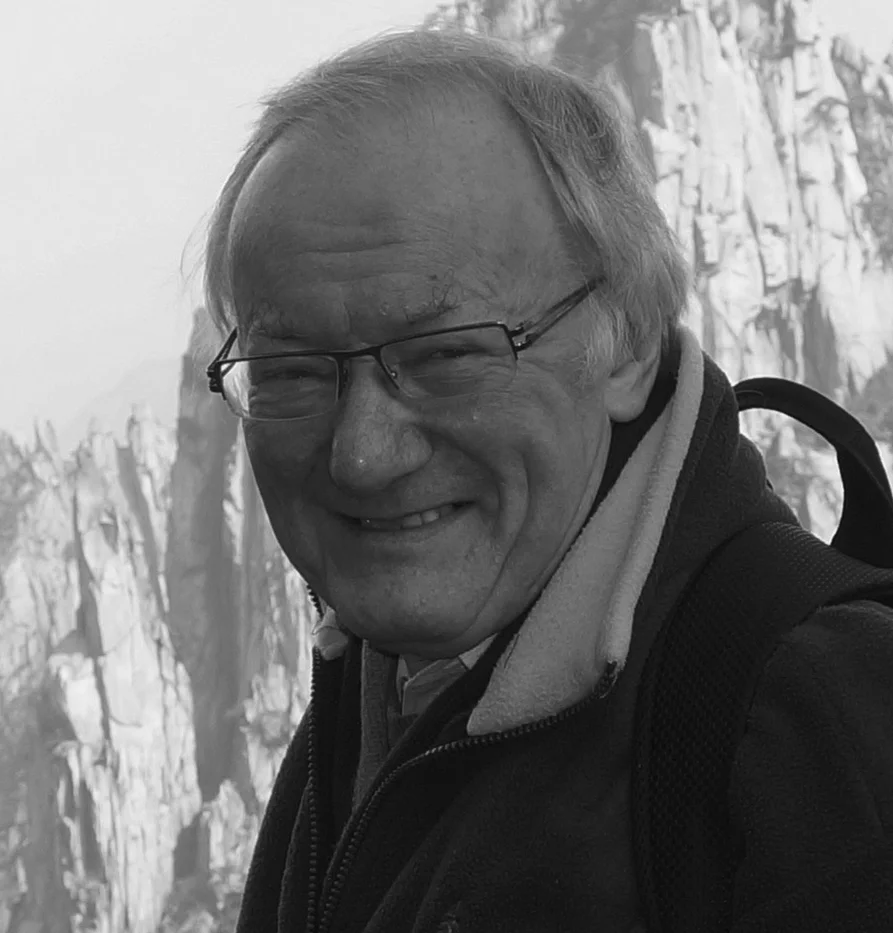
Michael Batty has worked on computer models of cities and their visualisation since the 1970s and has published several books, such as Cities and Complexity (MIT Press, 2005) which won the Alonso Prize of the Regional Science Association in 2011, and most recently The New Science of Cities (MIT Press, 2013). His work covers the science underpinning the technology of cities and he has research interests in big data, urban morphology and visualisation. He is the editor of the journal Environment and Planning.
Twitter: @jmichaelbatty

Antonio Caperna

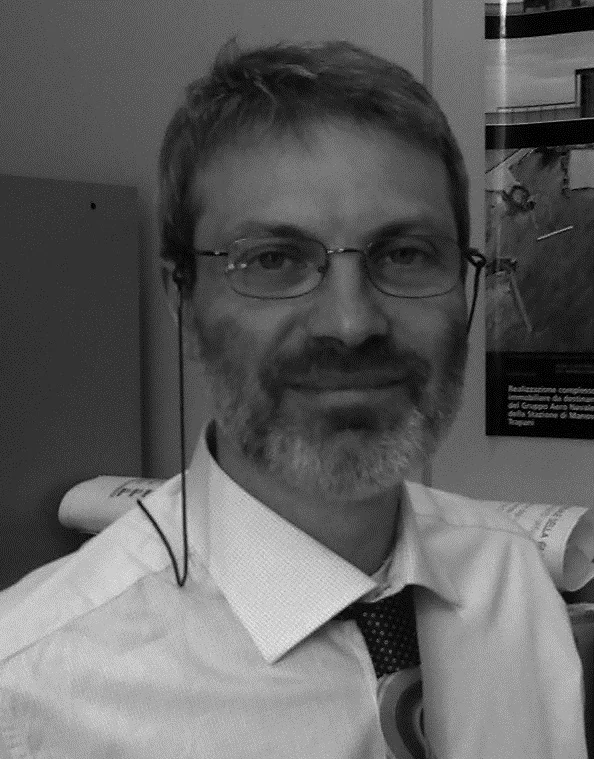
Graduated from the Faculty of Architecture in Naples, Antonio has been awarded a PhD in Sustainability and Urban Environment from Roma Tre University.
He had previously taught “Architectural Technology” and “Land and City Analysis” at Faculty of Architecture, University of Rome “La Sapienza” and Sustainable Urban Design at Master course in Sustainable Interactive Design and Multimedia at Roma Tre University.
His latest research is mainly oriented to the emergent field of Biourbanism and to the application of complexity theory, evolutionary biology, Biophilia and Morphogenesis to define procedure/process and tools for a human‐oriented architecture and urbanism.
antonio.caperna@biourbanism.org
www.researchgate.net/profile/Antonio_Caperna
Twitter: @capernaantonio

Pier Luigi Luisi
Luisi received his scientific education at the Scuola Normale Superiore in Pisa, Italy. His work continues in the best tradition of Italian visionaries of science and the humanities with a cross-cultural approach to Origin of Life. Luisi is currently chair of biochemistry at the University of Roma Tre and director of the Luisi lab, which focuses on Origin of Life, cell models and the self-organization and self-reproduction of chemical and biological systems. Author of 10 books, among them: The Systems View of Life: A Unifying Vision with Fritjof Capra, The Emergence of Life: From Chemical Origins to Synthetic Biology, Mind and Life and 500 scientific papers.
+39 06 5733 6329
David Rudlin

David is a director of URBED, Honorary Professor at Manchester University, Chair of the Academy of Urbanism and was also the winner of the 2014 Wolfson Economics Prize. He is a planner by training and has worked on numerous masterplanning projects with URBED. His books include ’Sustainable Urban Neighbourhood' Architectural Press 1999 and Routledge 2009, 'Urbanism' Routledge 2015 and a forthcoming book 'Climax City' written with Shruti Hemani RIBA Publishing 2018.
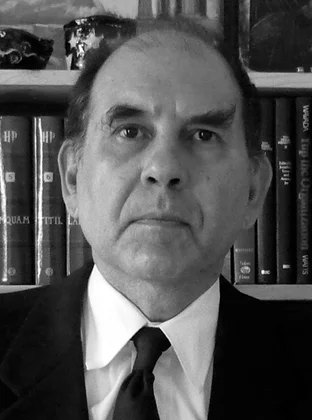
Nikos A. Salingaros
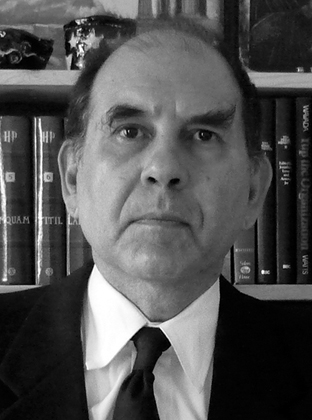
Nikos A. Salingaros PhD is an internationally recognized Urbanist and Architectural Theorist. Professor of Mathematics at the University of Texas at San Antonio, he has held guest professorships in Architecture at the Delft University of Technology, Tecnológico de Monterrey, Querétaro, Mexico, and Università di Roma III. He has directed and advised eighteen Masters and PhD theses in architecture and urbanism. His publications include the books Algorithmic Sustainable Design, Anti-Architecture and Deconstruction, A Theory of Architecture, Design for a Living Planet, Biophilia and Healing Environments, Principles of Urban Structure, P2P Urbanism, and Unified Architectural Theory, which are translated into many languages.
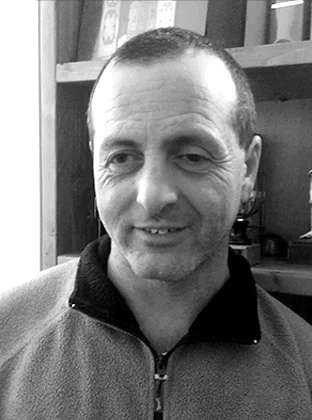
Felice Tagliaferri

Blind since the age of 14, Felice discovered his love for Art in his late twenties, when he was trained by renowned Italian sculptor Nicola Zamboni and then in several marble workshops in Carrara. He has developed a long and peculiar experience in teaching, thanks to his sensitivity and his ability to empathically connect to people. His art, mainly representational, is characteristically tactile as well as social, as he pursues the ideal of Art as universal heritage and, as such, accessible to each person according to their abilities.
Twitter: @f__tagliaferri
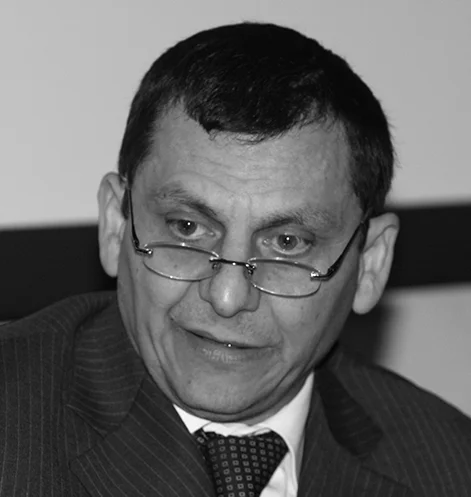
Mariano Bizzarri

Professor Bizzarri was appointed as member of the Italian Space Agency Scientific Committee in 2005 and elected President of that Committee in 2011. Co-founder of the Italian Society for Space Biomedicine and Biochemistry and the Italian Space Agency Telemedicine program, he’s authored countless scientific and philosophical essays. He’s main research concerns Systems Biology approach in the integrative understanding of cell and tumor biology, biophysical study of complex systems in Biology, Tumor microenvironment, proteomic and metabolomic analysis of cells in microgravity, cytoskeleton and fractal shape analysis in Biology and in Space Biology, fractal and mathematical integrative analysis of biological and clinical images and dynamics data.
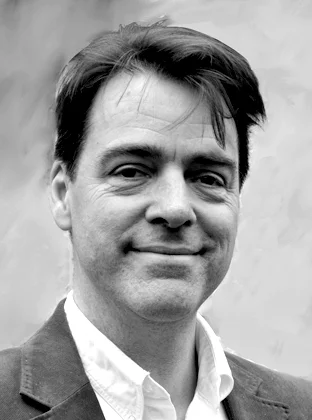
Karl Kropf

Karl Kropf is Director of urban design consultancy Built Form Resource and Senior Lecturer at Oxford Brookes University. He has more than thirty years experience in the fields of urban design, landscape architecture, architecture and historic conservation working in the UK, France and US. Combining academic research in urban morphology and practice in urban design, his aim is to use the insights from one to improve the other. He publishes regularly in academic journals and is currently preparing the Handbook of urban morphology with John Wiley & Sons.
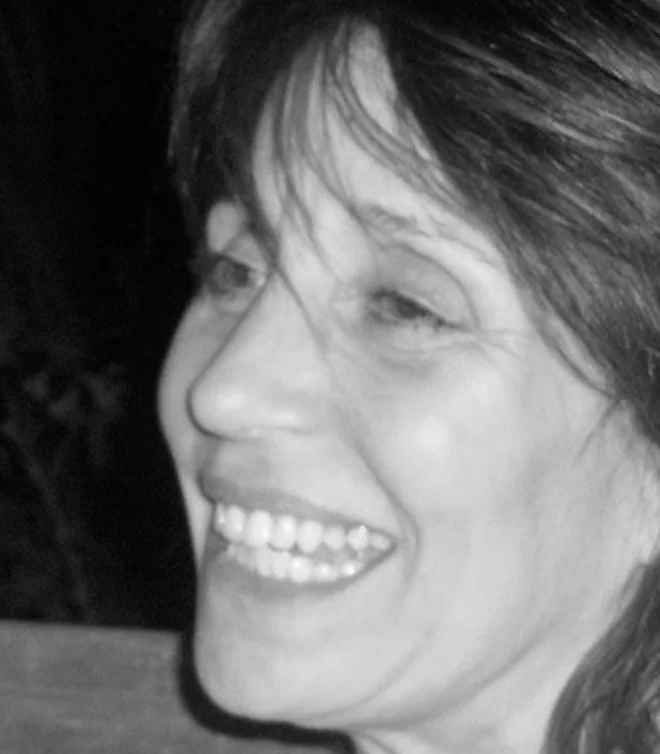
Joanna Alimanestianu

Joanna Alimanestianu is an American and Belgian architect who has designed and built homes, gardens, furniture, offices and even entire neighborhoods, in the USA, Europe and Latin America. She has taught at the University of Notre Dame and at St Luc University School of Architecture in Brussels, and co-developed a new curriculum in architecture for the European Union's Leonardo da Vinci Programme. She is passionate about beauty in the human environment and its contribution to human well-being. Joanna studied at the Ecole de Polytecnique de Lausanne, Switzerland, and earned her Masters in Architecture from Princeton University.