
News from Building Beauty
The Nature of Order Webinar Speakers for Spring term 2025
The Nature of Order forms the theoretical backbone of the Building Beauty program. Participants in this webinar go through an exploration of the essential elements of Christopher Alexander's Magnum Opus. The magnitude of the spectrum covered in this remarkable work offers the opportunity to engage in a large reflection on the essential elements that come into play in making, at all scales. This semester we’ll be discussing Books 3 and 4 with a number of speakers who will address the practical application and theoretical context and implications of Alexander’s ideas.
If you would like to join the Webinar, please write to natureoforder@buildingbeauty.org.
Book 3 – A Vision of a Living World
February 6 - Yodan Rofé, Introduction to the semester’s webinar
Reading: Preface and Part one: Living process repeated a million times, Belonging and not Belonging to the world. A vision of a living world, pp. 1-66
Yodan is Building Beauty Course Director and Co-founder, an architect and urban planner with more than 30 years of teaching and research experience. He’s a Faculty member at the Dept. of Environmental, Geo-informatic and Urban Planning Sciences, Ben Gurion University of the Negev.
February 13 – James Maguire, Three large public building projects – design with specific pattern languages
Reading: Part Two (beginning) – The Hulls of Public Space; Large public buildings. Pp. 67-152
James Maguire is an architect. He worked with Alexander at the Center for Environmental Structure. Then as Campus Architect and Vice Chancellor of Facilities Planning Design and Construction at Boise State University (BSU) and the University of North Texas (UNT) System).
February 20 – Ross Chapin, Positive space in shaping buildings and gardens
Reading: Part Two (continued): The Positive Pattern of Space and Volume in Three Dimensions on the Land. Positive space in Engineering Structure and Geometry; The character of gardens. Pp. 153-256
Ross Chapin is an architect in Washington state, USA, and author of Pocket Neighborhoods: Creating Small Scale Community in a Large Scale World.
February 27 – Vikas Mehta, The architect as player in an urban design game: Action, reaction, collaboration – urban infill in Ybor City
Reading: People forming a collective vision for their neighborhood; Reconstruction of an urban neighborhood, high density housing; further dynamics. Pp. 257-360
Vikas Mehta is Fruth/Gemini Chair of Communication in the Urban Environment (CUE), the Ohio Eminent Scholar of Urban/Environmental Design and Professor of Urban Design in the School of Planning, College of Design, Architecture, Art and Planning (DAAP) at the University of Cincinnati. Author of the books The Street and Public Space.
March 6 – Duo Dickinson, Designing people’s own homes and rooms
Reading: Part Four – The Uniqueness of people's individual worlds; The character of rooms. Pp. 361-446
Duo Dickinson is an architect and author based in Connecticut, USA, and Board member of the Building Beauty Association.
March 13 - Ioana Barac, Geometry and Emotion: a case study of unfolding ornament in 21st century architecture
Reading: Ornament as part of all unfolding; Color which unfolds from the configuration. Pp. 579-638.
Ioana Barac is a designer, maker, and educator at the University of Hartford, Connecticut, USA, with a background in architecture and urban design.
March 20 – Hajo Neis, The Eishin Campus in Japan: Enhanced Design and Construction Process
Reading: Part Five: Construction elements as living centers; All Building is Making; Continuous invention of new materials and techniques; The production of large projects. Pp. 447-578
Hajo Neis is an architect in California and Germany, Professor Emeritus at the University of Oregon, and co-Author of The Battle for the Life and Beauty of the Earth: A Struggle Between Two World Systems.
Book 4 – The Luminous Ground
April 3 - Yodan Rofé, Preface to book IV – Introduction to the lectures and suggestions for reading
Reading: Preface and Chapter 1: Our present picture of the universe. Pp. 1-28. Conclusion to the four books: A modified picture of the universe. pp. 317-344.
April 10 – Juval Portugali, Links between Alexander’s theory of architecture and complexity theories of cities
Juval Portugali is Emeritus Professor of Human Geography, Head of the City Center - Tel Aviv University Research Center for Cities and Urbanism. His research integrates complexity and self-organization theories, environmental-spatial cognition, urban dynamics and planning in modern and ancient periods. He's author of more than 100 research articles and 20 scientific books.
April 17 – Nikos Salingaros, Using AI large-language models to confirm Alexander's insights
Nikos Salingaros is a mathematician and polymath known for his work on urban theory, architectural theory, complexity theory, and design philosophy. He's a Professor at the University of Texas at San Antonio.
April 24 – Isabel Potoworowski, Spirituality in architecture and phenomenological design processes in the work of Peter Zumthor and Christopher Alexander
Isabel Potoworowski is an Assistant Professor of Architecture at the University of Cincinnati College of Design, Architecture, Art and Planning, USA.
May 1 - Stefano Cozzolino, Urban beauty as a total experience: Beyond what can be designed
Stefano Cozzolino is Senior Researcher at ILS – Research Institute for Regional and Urban Development (Dortmund) and lecturer at RWTH Aachen University (chair of Urban Design). His main research interest focuses on the interplay between planning/design and the evolution of spontaneous social-spatial configurations. He is the coordinator of the AESOP thematic group on Ethics, Values and Planning. He's co-author of the book Action, Property and Beauty: Planning with and for Emergent Urban Complexity.
May 8 – Maria Lewicka, Empirical testing of Patterns and Properties from A Pattern Language and The Nature of Order
Maria Lewicka is Professor and Head of Department of Psychology at the Faculty of Philosophy and Social Sciences at Nicolaus Copernicus University in Toruń, Poland. Her specialization is Social and Community Psychology.
May 15 - Yodan Rofé, Concluding discussion of all four books
The Christopher Alexander & Center for Environmental Structure Archive
The Christopher Alexander & Center for Environmental Structure Archive is live. This new website gives access to 50+ years of work by Alexander and colleagues at CES. The goal of this continuing endeavor is to share the work with all who wish to build and repair living environments in which people thrive throughout the world.
In total, the Archive includes some 29,000 items. About 50% of them have been catalogued to date and are listed on the website. Around 6000 items have been digitized and are now available from the website as downloads. As funding allows, we will work toward making the whole collection available for download.
If you can help us bring this goal to fruition, please contribute at our fundraising site: donorbox.org/the-christopher-alexander-center-for-environmental-structure-archive.
The Center for Environmental Structure has been working on this project since 2018 and I am very pleased to be able to share it at last. I am grateful to Artemis Anninou, Kleoniki Tsotropoulou, Hajo Neis, Howard Davis, and the Athens Technology Center for their steadfast commitment and support throughout this labor of love.
Maggie Moore Alexander

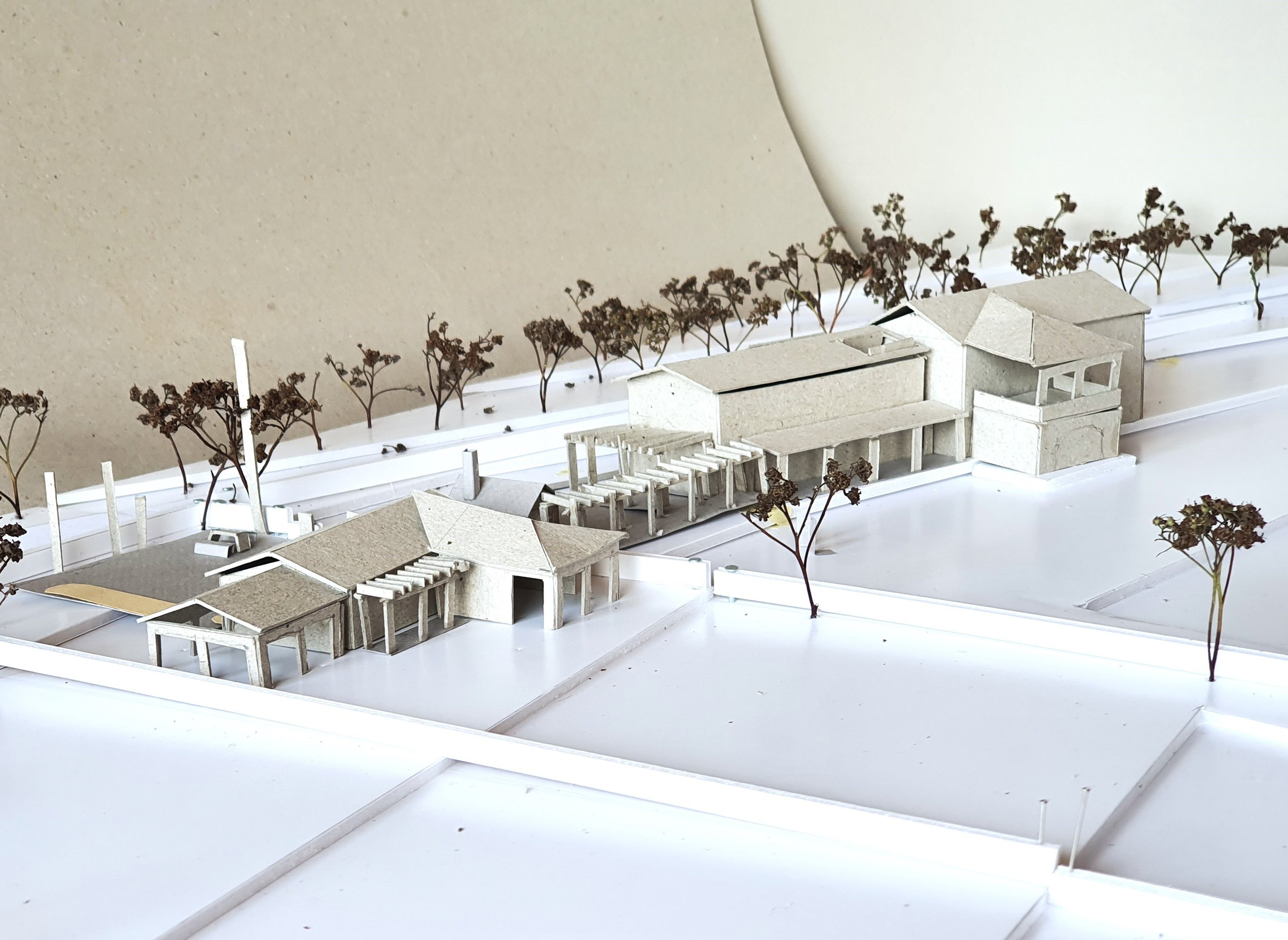
How to develop an architectural project where the building volumes and site are intertwined
Ana Jancar, an architect, urban designer, and playground designer presents this lecture. Ana is a graduate of the first cohort of the Building Beauty program in Sorrento, Italy, and now works for ADAM Architecture in the UK and independently in Slovenia.
She presents how to develop an architectural project where the building volumes and the site are intertwined, as well as how the built mass can express a client’s dreams and visions with and through the existing centers on the land. This talk demonstrates the living process as it unfolded in two project proposals in rural settings: an ornithological center in Slovenia and a private residence in Croatia.
This is a lecture from the Nature of Order Webinar series, Webinar 17, February 8, 2024.
Engaging Communities in Suburban Densification
Ben Bolgar, Executive Director of the Projects Team at the King's Foundation and Design Director of the development company Stockbridge Land, shares his experience with initiatives of the King’s Foundation and also a particular 60 acre site at the edge of London where a community has been engaged in planning a new neighbourhood. A former student of Christopher Alexander, he then contrasts these projects with Alexander’s approach to building communities.
In 2004 Ben and Michael Mehaffy participated in a workshop run by Alexander for the design of a neighborhood in Strood, UK. In this workshop Alexander showed the power of using generative sequences to design a neighborhood. After Ben's presentation of the King's Foundation's design workshop method, Michael will present the Strood project, and highlight the shared and different aspects of the two methodologies.
This lecture is from the Nature of Order Webinar series, Webinar 19, February 22, 2024.
Alexander's draft report of the generative sequences used for Strood is here.

What is the Role of the Architect in the 21st Century?
This question is taken on by three architects in response to one of the closing chapters in Book 2 of Christopher Alexander’s The Nature of Order: Ross Chapin in Washington state, Duo Dickinson in Connecticut, and Gernot Mittersteiner in Vienna. This symposium can be viewed from The Nature of Order Webinar page. (Webinar 14, January 18, 2024)

The William Morris Room at the Victoria & Albert Museum, London. Yodan Rofe'
The Divided Brain and Ways of Building the World: Parallels in the Thought of Iain McGilchrist and Cristopher Alexander
Or Ettlinger offers an insightful comparison of Christopher Alexander’s lifelong quest for wholeness in the built world and psychiatrist-philosopher-neuroscience researcher Iain McGilchrist’s up-to-date research on brain hemisphere differences.
What might have led to the fundamental changes in the built environment during the 20th century? While factors such as postwar reconstruction, urbanization, industrialization, shifts in style, or socio-political changes are surely involved, there may be deeper influences that are associated with the structure and dynamics of the human brain. Iain McGilchrist’s hemisphere hypothesis proposes that the differences between the left and right hemispheres are not functional but embody opposing approaches to the world: the left sees an atomized world made of things to be controlled and manipulated for survival; the right sees an interconnected world of wholes with which it is deeply related.
McGilchrist observes that in recent centuries, there has been an increasing shift in the West towards the left hemisphere’s approach. Christopher Alexander’s lifelong quest for wholeness in the built world resonates with McGilchrist’s observations as applied to the field of architecture. Alexander observed that today’s built environment is an expression of our civilization seeing the world as a giant mechanism made of parts rather than an indivisible whole. In response, Alexander developed design methods that approach the world as a unified whole and the building of new places as a further unfolding of that whole.
Professor Ettlinger teaches at the Faculty of Architecture, University of Ljubljana, in Slovenia, and also teaches the Studio and Self & Wholeness courses at Building Beauty.
The article is here.

Teaching The Nature of Order
Yodan Y. Rofè, Course Director at Building Beauty, has a new article on Teaching The Nature of Order in the journal Ekistics and the New Habitat.
This paper describes the teaching of Alexander’s magnum opus The Nature of Order as the main theoretical course of the Building Beauty Program. The course is taught online as a reading seminar for registered students, and a webinar open for all. It introduces the main insights of the four books that make up this work, discusses the format of teaching and how it evolved over the course of the program, and the impact it has on the students.
Alexander’s main contribution was in formulating a theory that describes the phenomenon of life, in artefacts as well as in the natural world, in terms of geometrical configurations, and in connecting it to human feeling and sense of self. Furthermore, Alexander describes a unified process underlying both the human processes of building and making, as well as natural phenomena. All of this within a scientific framework which includes and extends modern science and opens the gate to a technology that connects us to the natural world and to ourselves.
The course is taught as a reading seminar, interspersed with lectures on central ideas, as well as guest lectures, to allow students to encounter the work on their own terms, rather than imposing it as a doctrine. Our impact surveys show that studying The Nature of Order is indeed transformative and helps students in understanding and learning to work within the complex order of the world.
It can be accessed here.

Teaching Wholeness In Architecture Education: Advancing Christopher Alexander's Teaching Legacy Through The Building Beauty Program
New article appearing in The Journal of Architecture and Urbanism, by Susan Ingham and Or Ettlinger

Architect, builder, and professor Christopher Alexander focused his life’s work on trying to understand what makes the physical environment beautiful, and how beautiful environments can be created today. Through careful research, innovative teaching, and unorthodox professional practice, Alexander formulated a unified vision of the physical environment based on a theory of “wholeness.” He observed that achieving beauty and wholeness in the built environment – as well as teaching it – requires the integration of processes and considerations that are usually kept separate: integrating form and function, integrating teaching and practice, integrating design and construction, integrating projects of various scales, and integrating all of these within the ongoing search for how beauty and wholeness might be reached, taught, and proliferated.
Alexander explored and developed ways of implementing these observations throughout his decades of teaching at the University of California at Berkeley, culminating in the Building Process Area of Emphasis, which he founded with his colleagues in 1990. His former students from this period, together with new partners, established “Building Beauty” in 2017, a post-graduate program in architecture that continues to teach and expand upon Alexander’s theories and methods of generating beauty and wholeness in the physical environment.
View article here.
Building Beauty Open House Sessions for 2023-24
So far we’ve held two Open House sessions for prospective students to learn about the 2023-24 program and talk with graduates, staff and other prospective students. Click on the links below to view the recordings.
On June 29, 2023, the session began with an overview of the program and continued with graduates sharing their experiences. Prospective students asked questions that enlivened the conversation and also helped us appreciate what we have accomplished at Building Beauty.
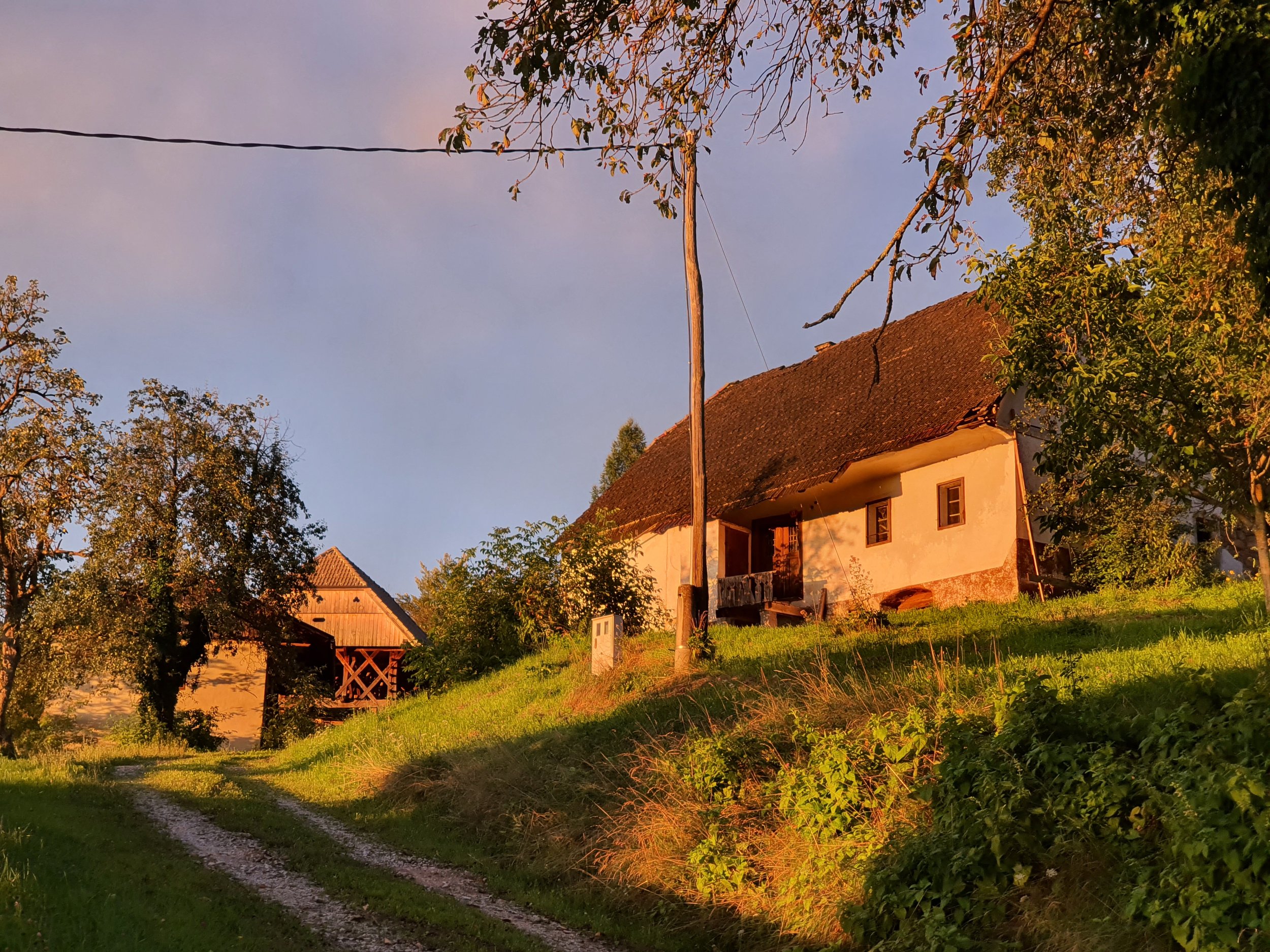
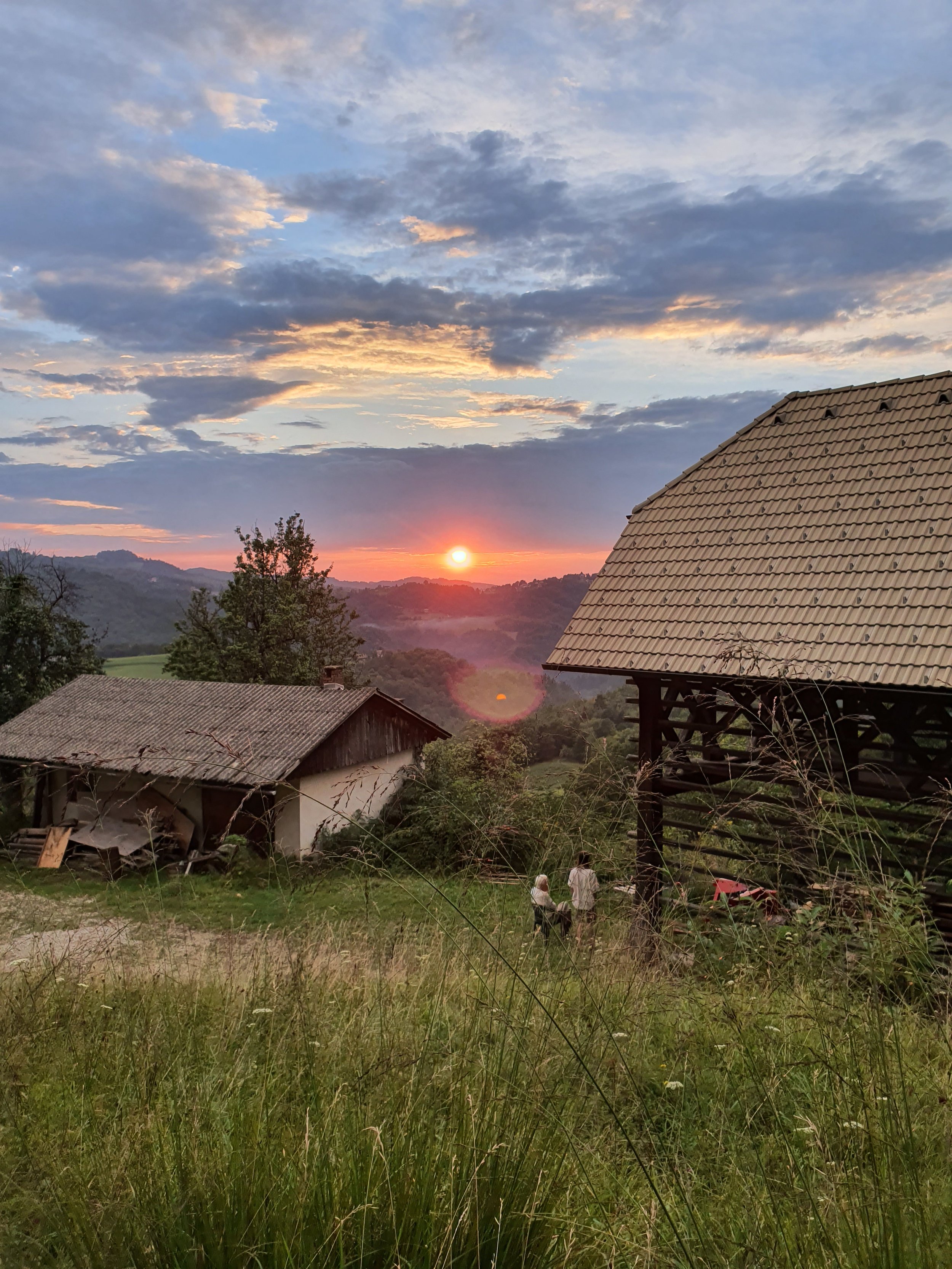
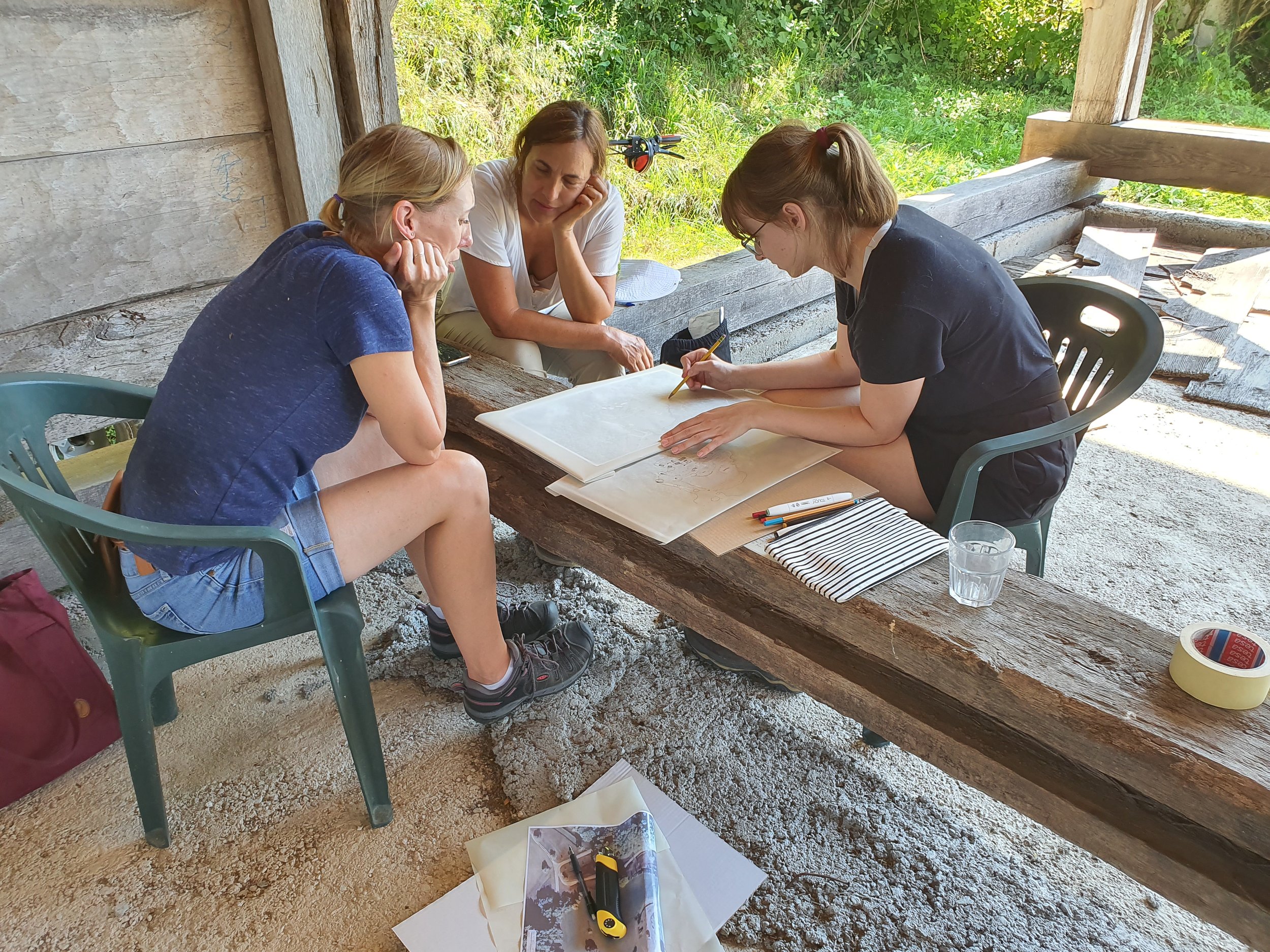
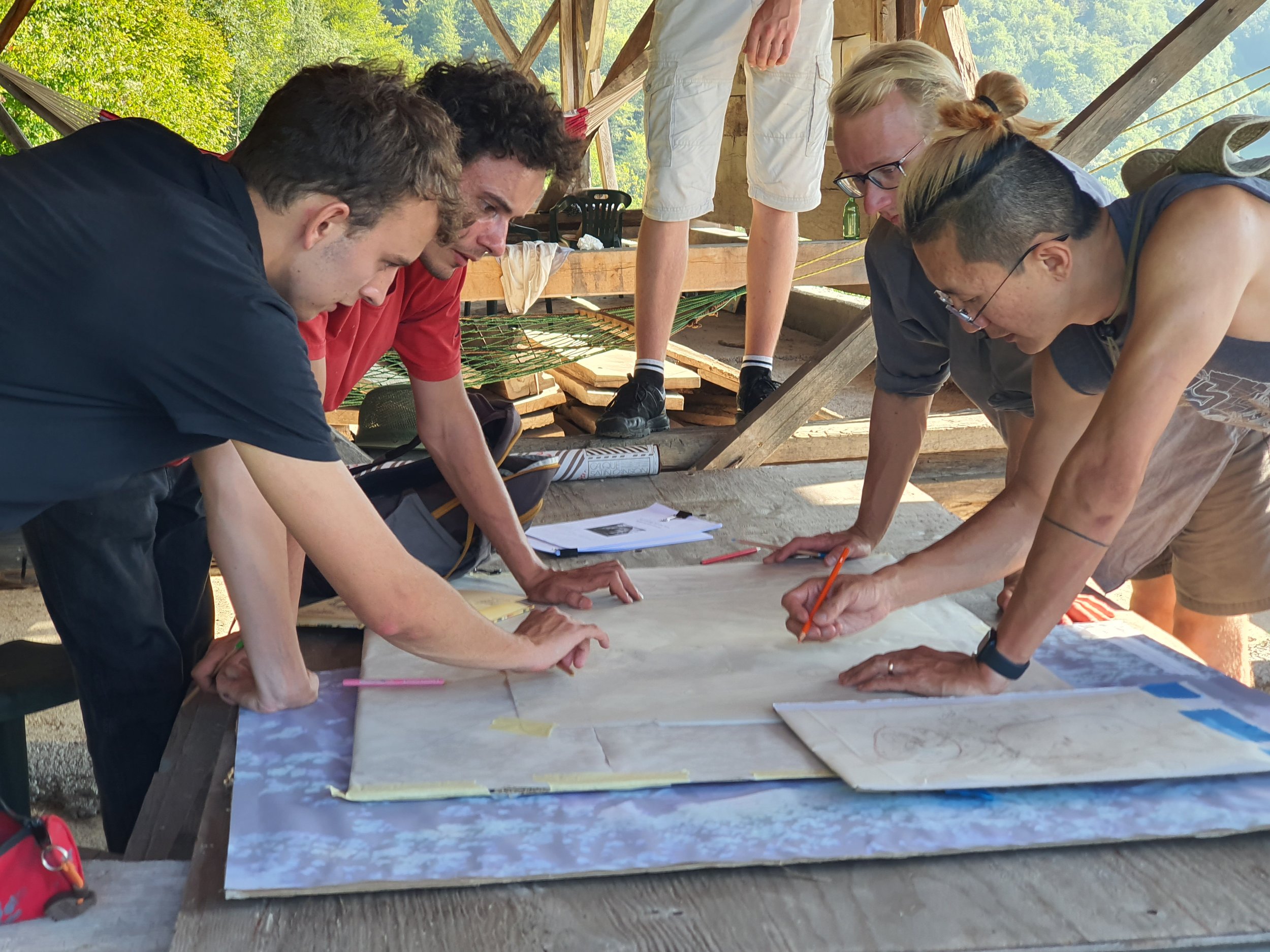
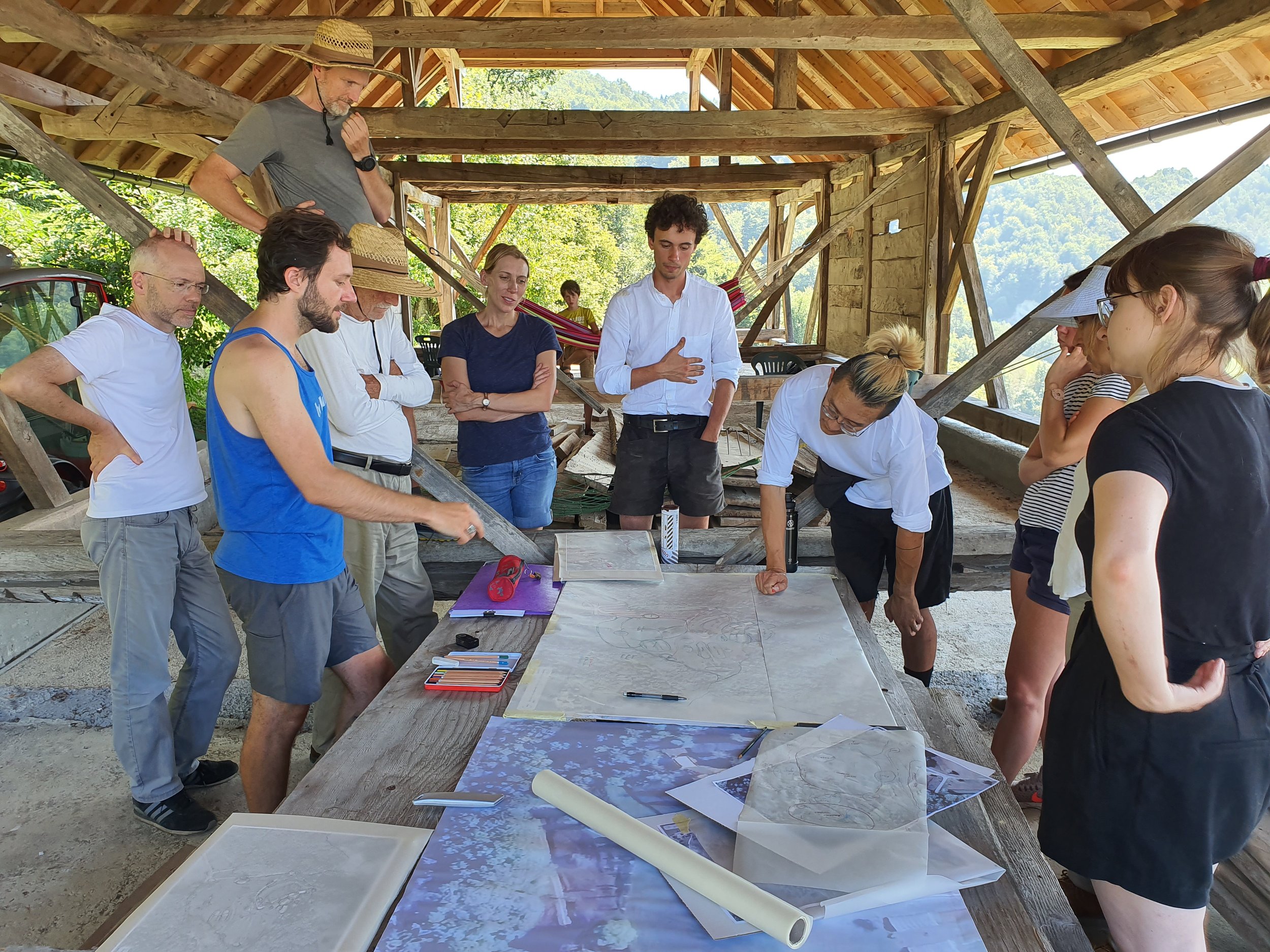
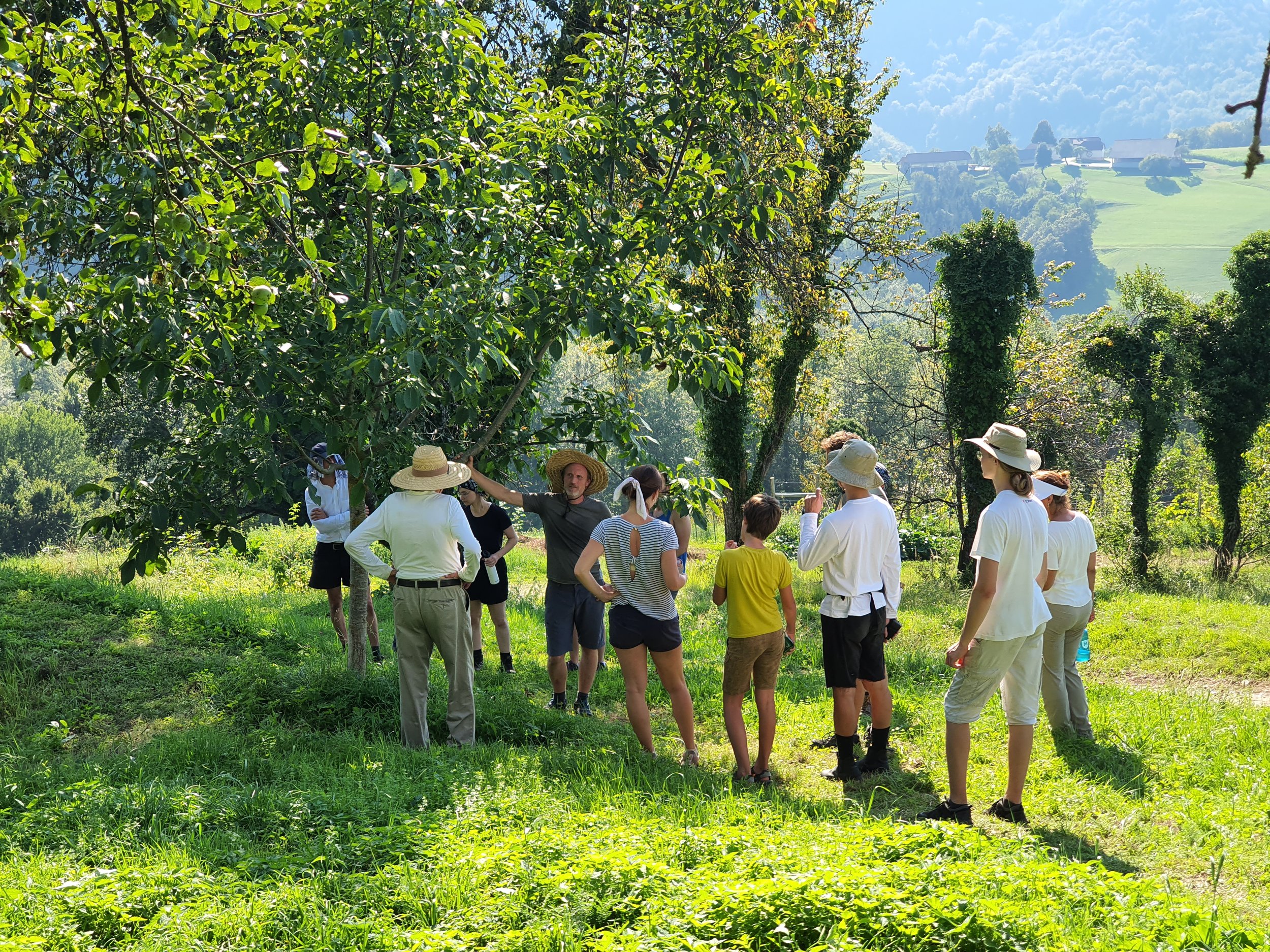
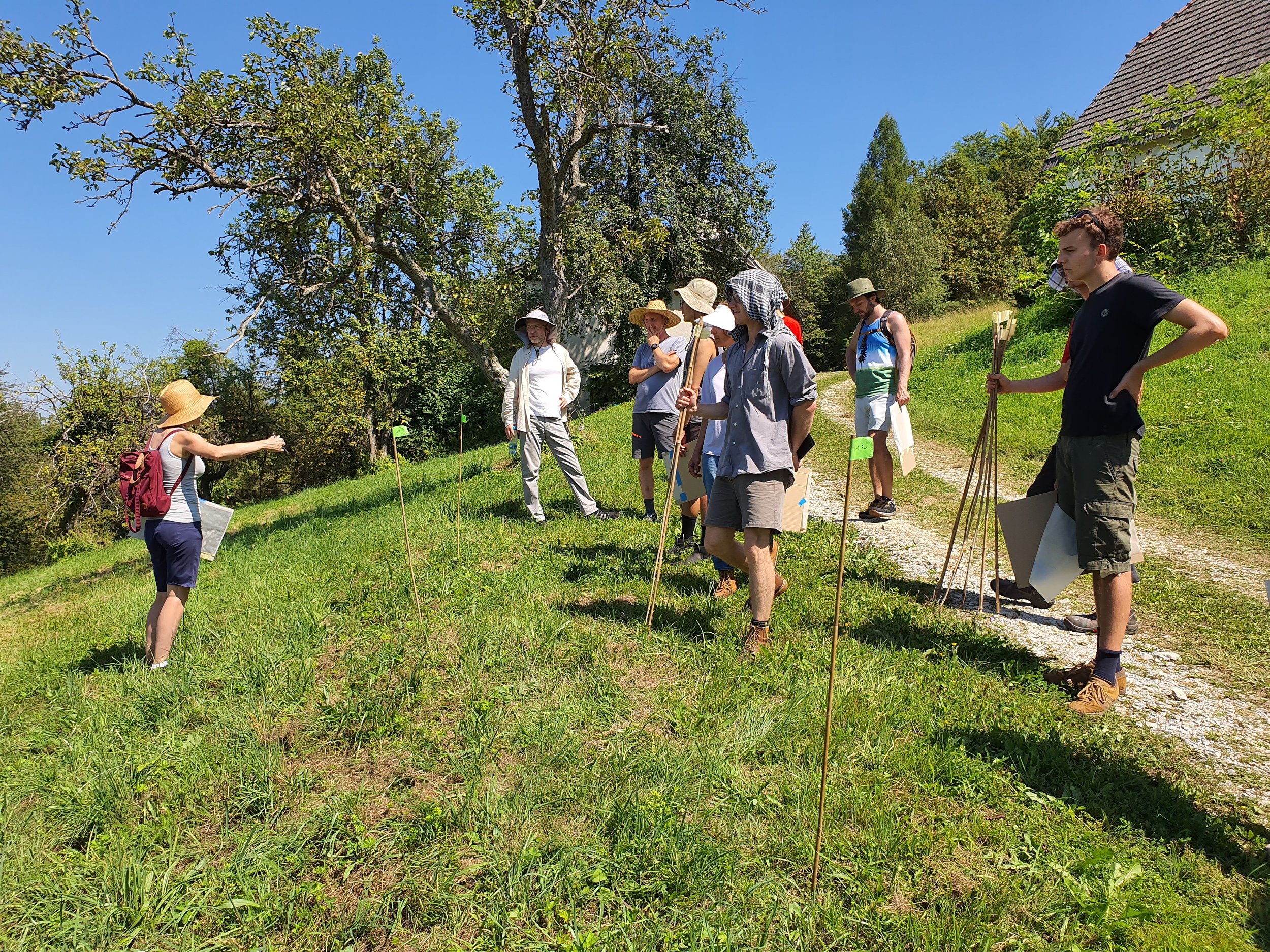
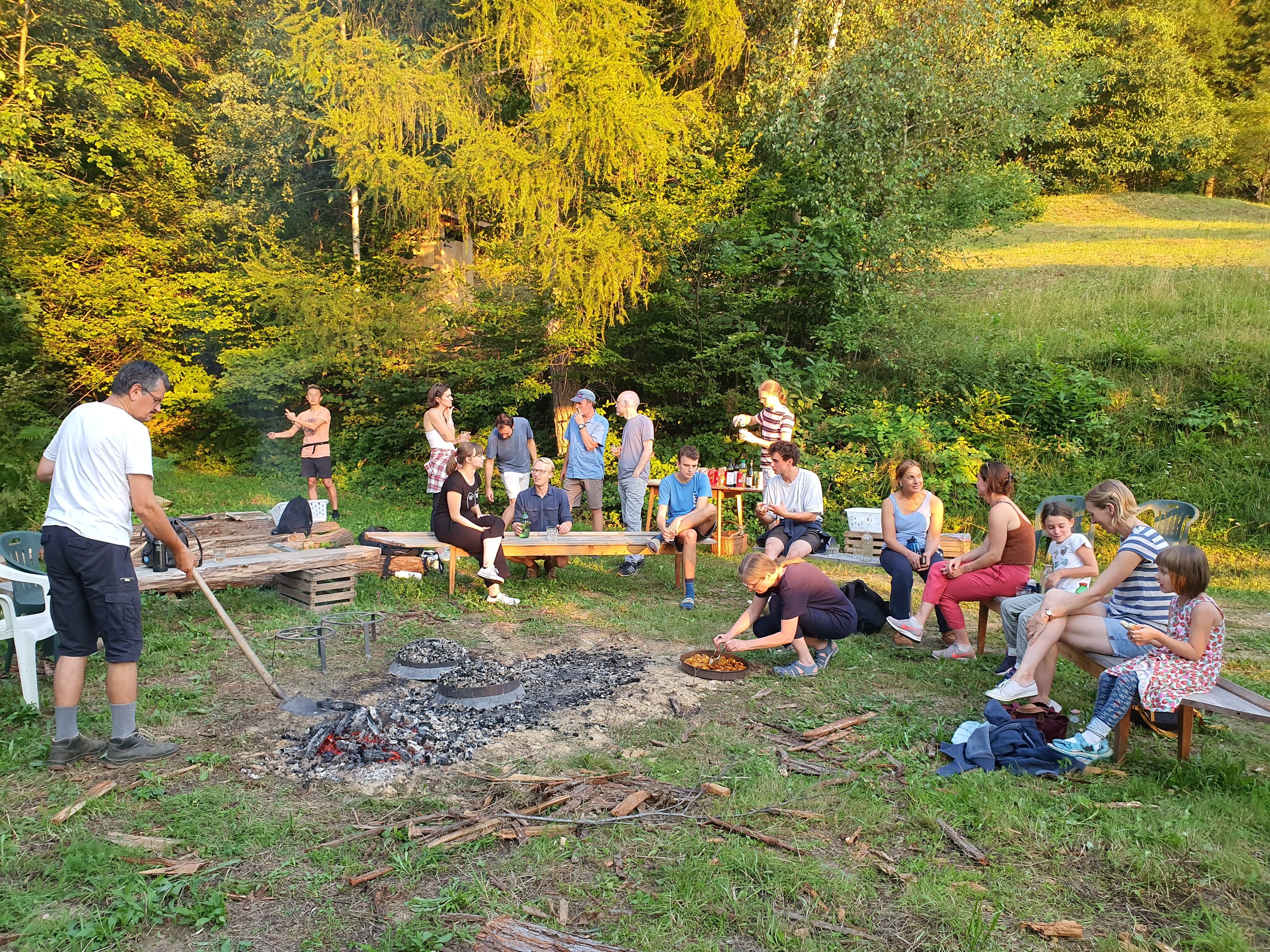
On August 24, 2023, participants in the Open House included students at our Summer School in Slovenia who are helping to restore an abandoned farm. Several of them are students who took the course online and are now able to work on a project together in person. They talk about how they are experiencing both learning venues. Below are pictures of Summer School in progress.
If you have an interest in joining Building Beauty, please write to hello@buildingbeauty.org as soon as possible. Classes begin on September 25, 2023.


Color and Inner Light: working with color in architecture, placemaking and design
We are happy to announce a new course at Building Beauty for Spring term.
Color and Inner Light: working with color in architecture, placemaking and design starts on February 1, 2023 at 16:00 UTC. The instructor is Robert Walsh. The course fee is 430 Euros.

This is a hands-on course in which students are expected to complete weekly assignments using actual paint on paper or other similar surfaces (no digital manipulation is permitted), as we explore a select variety of color principles intended to expand our understanding of color and how it can further enhance two and three-dimensional work. These exercises, and the occasional reading assignment, will become the basis of online round table discussions, in which each student will be expected to participate. In the discussions we explore the lessons learned, the struggles and insights experienced while completing these assignments, and the questions that emerge as we grapple directly with this fascinating dimension of placemaking.
The term inner light is meant to evoke the philosophical aspect of color work. The possibility that getting better at working with color is both guided by and capable of informing how we see the world. The class will draw from multiple sources and students of all levels of experience are welcome to participate.
If you would like to join us, please write to hello@buildingbeauty.org.
For more information about our online program visit Building Beauty Online.
Building Beauty is back in Sorrento Spring Semester 2023

Building Beauty is going to resume the course in Sorrento after a hiatus of 3 years. The course will start on January 30, 2023, and will end on April 28, 2023. The online courses associated with it will continue until May 19, 2023. Deadline for registration and fee payment is December 10, 2022.
Students going to Sorrento will participate in the following courses:
3.2 The Nature of Order III+IV – hybrid class together with online students.
4.2 Design and Construction Studio – the students will design and build a project or several projects in Sant’Anna Institute’s garden, there will be a shared weekly session with students taking the online studio.
5.2 Appropriate Construction – learning about traditional and modern building techniques and materials that conserve resources and energy and are socially and culturally adequate, and humanly satisfying. The course will include an intensive workshop with a local master ceramicist in the ceramic making city of Vietri, and a workshop with blind sculptor Felice Tagliaferri. Some of the lectures will be open to students online.
1.0 Italian Language and Culture – a crash course in Italian language and culture given by instructors of the Sant’Anna Institute.
2.0 Local History and Culture – 3 guided tours of Sorrento and its peninsula given by a local guide.
Further seminars and short workshops may also be offered and are now being developed.
Course Fee: 8,500 Euros. This includes participation in all the educational activities offered.
Travel and Living expenses are not included in the fee. Building Beauty has negotiated rooms at a discounted price in two apartments in a building across from Sant’Anna Institute at prices that range from 935-1,075 Euros per person per month. You can opt to share living in those apartments, or to find your own living arrangements.
The course is open for a minimum of 7 and a maximum of 12 students. Students who have taken Building Beauty’s online courses in the last three years have precedence in enrolment.
For further enquiries and registration, please write to hello@buildingbeauty.org.
Deadline for registration and fee payment is December 10, 2022.
Building Beauty India
Building Beauty India is a new GREHA Program at CDSA, Pune, India, that begins in January 2023.
It offers a One Year Postgraduate Diploma in Ecologic Design and Construction Process for ARCHITECTS and NON-ARCHITECTS to connect acitvities that make life and beauty in the built world.
The course description is here: www.buildingbeautyindia.org/course.asp.
Please contact buildingbeautyindia@gmail.com for more information.


HOME 2022 -- An International, Free, and Open Competition

For information, contact kerickson.duos@gmail.com.
Special Session of The Nature of Order Webinar: The Future of Architecture in the 21st Century
In this week's webinar we will have a special session dedicated to the closing chapter of Book II of The Nature of Order - The Process of Creating Life. In these chapters Alexander discusses the social, political and economical changes that need to occur in order for 'living building process' to be possible again, and the existing difficulties ranging from administrative and legal ones, to technological, cultural and ideological. He moves on to describe how change could (and should) occur by introducing small changes in practice, that would work somewhat like genetic mutations to slowly change current practices. These changes will also necessitate a different role for architects (who presently are responsible for less then 5% of buildings built).
To discuss these issues we've invited 4 leading professionals for a symposium on:
The Future of Architecture in the 21st Century
Moderating the symposium will be Duo Dickinson, FAIA, Principal at Duo Dickinson Architect, author and co-chair of Building Beauty's North American Advisory Board.
Debating will be:
Ann Sussman, Architect and researcher on how buildings influence our behavior. Author of Cognitive Architecture, and Urban Experience + Design, https://annsussman.com/
Clay Chapman, Builder and founder of "Hope for Architecture". https://www.urbanguild.org/clay-chapman
Steve Mouzon, Architect, Principal of Mouzon Design and New Urban Guild, author of many books on traditional regional architecture. http://mouzon.com/MDZ/1.2_About_Us.html
The webinar will be on Thursday, December 9, 2021 at 16:00 UTC. If you would like to participate, please write to natureoforder@buildingbeauty.org and ask to be included.
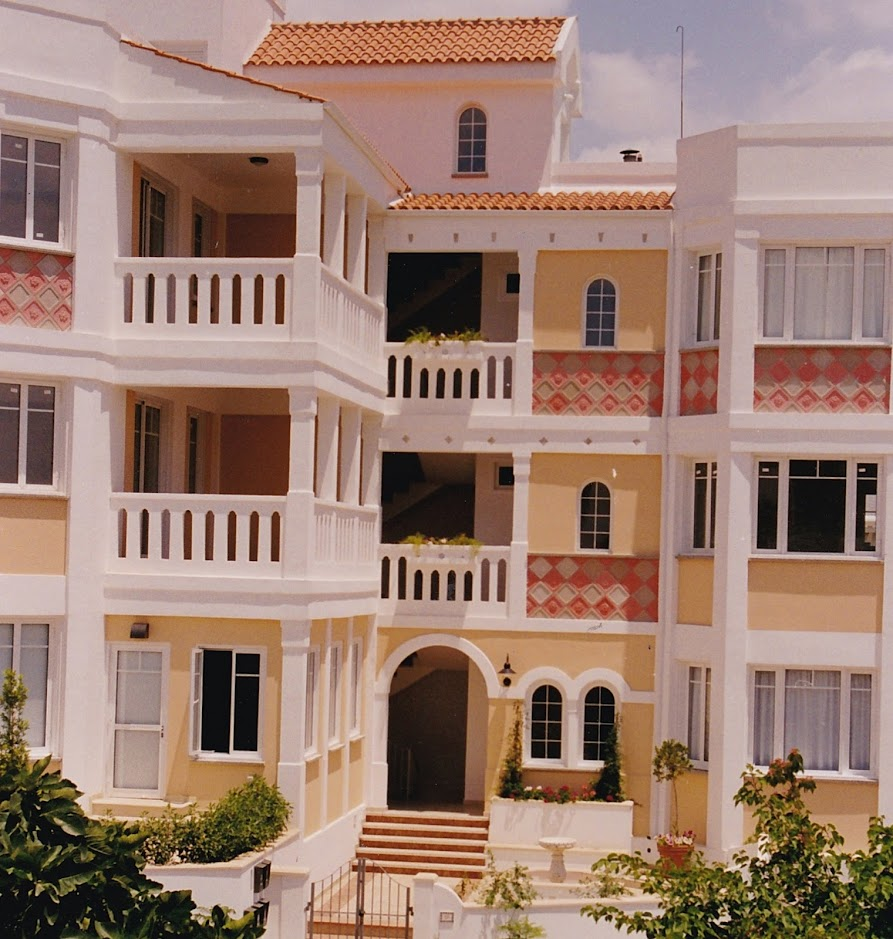
The Korinthos Apt. House in Nicosia, Cyprus. Designed and Built by Kyriakos Pontikis
The Nature of Order EBOOKS are available now
Christopher Alexander's Magnum Opus: The Nature of Order:
The Phenomenon of Life
The Process of Creating Life
A Vision of a Living World
The Luminous Ground
The Center for Environmental Structure announces the publication of the four volumes of The Nature of Order as ebooks. As the international community of Building Beauty students, staff, researchers, professionals and lay people grows, it is important for these books to become more accessible to everyone; just as Building Beauty’s online program makes the course available to people around the world.
Ebooks may be ordered here.
The Nature of Order is the theoretical backbone of the course, and is also offered as a webinar every year. Previous sessions were recorded and are provided here.
We are looking forward to the 2021-22 academic year, and talking with prospective students. Registration is open now. Details of the course are here.
Please write to us at hello@buildingbeauty.org with any questions you may have. We look forward to hearing from you.
The Nature of Order Lecture Series 2020-21
Building Beauty is opening its teaching for the 2020-21 academic year next week. We have a strong cohort of students from all over the world, both in the regular track, as well as in the Beautiful Software Initiative.

Together with these studies we're going to open again The Nature of Order webinar to whomever is interested at no cost. This year the webinar is also going to include an exposition and discussion of the book The Discovery of Architecture written by Munishwar Ashish Ganju and Narendra Dengle, and the relationships between the ideas expressed in it and The Nature of Order.
For those of you who are interested in a more in depth learning of Christopher Alexander’s four volume work, or taking it for credit, you may register for this course only. Students taking it for credit will participate in another one hour and a half weekly discussion dedicated to them only. The fee for credit is € 420. For details write to Yodan Rofe, or to hello@buildingbeauty.org.
Here is the syllabus to this year's webinar is here.
Nikos Salingaros and Ann Sussman: New Biometric Pilot-Studies Point to Responsible Design for the Public Realm
Biometric Pilot-Studies Reveal the Arrangement and Shape of Windows on a Traditional Façade to be Implicitly “Engaging”, Whereas Contemporary Façades are Not
The human brain evolved to implicitly approach or avoid objects in its surroundings. Requisite for survival, this behavior happens without conscious awareness or control, honed over 60 million years of primate evolution. Biometric technologies, including eye tracking, reveal these unconscious behaviors at work and allow us to predict the initial response of a design experience. This paper shows how a biometric tool, 3M-VAS (Visual Attention Software), can be effectively used in architecture. This tool aggregates 30 years of eye-tracking data, and is commonly applied in website and signage design. A pilot-study uses simplified drawings of building elevations to show 3M-VAS’s predictive power in revealing implicit human responses of engagement and disengagement to buildings. The implications on the impact of a structure in creating the public realm suggest recommendations for approving new architecture.
…The authors have employed the more recent work of Christopher Alexander on how visual patterns affect us directly. Alexander provides a toolkit to help us design visuals and structures that are more “natural”. Alexander’s theory of centers, wholeness, and his “Fifteen Fundamental Properties” support the present work. In particular, his properties strong centers, alternating repetition, good shape, local symmetries, echoes, and not-separateness all apply to explain why the eye-tracking emulation software gives such dissimilar results for the five façade paintings…
Read the article in Urban Science here.


Figure 1. Scanning sequence for Classical/Baroque building; and Figure 2. Heat map for Classical/Baroque building