
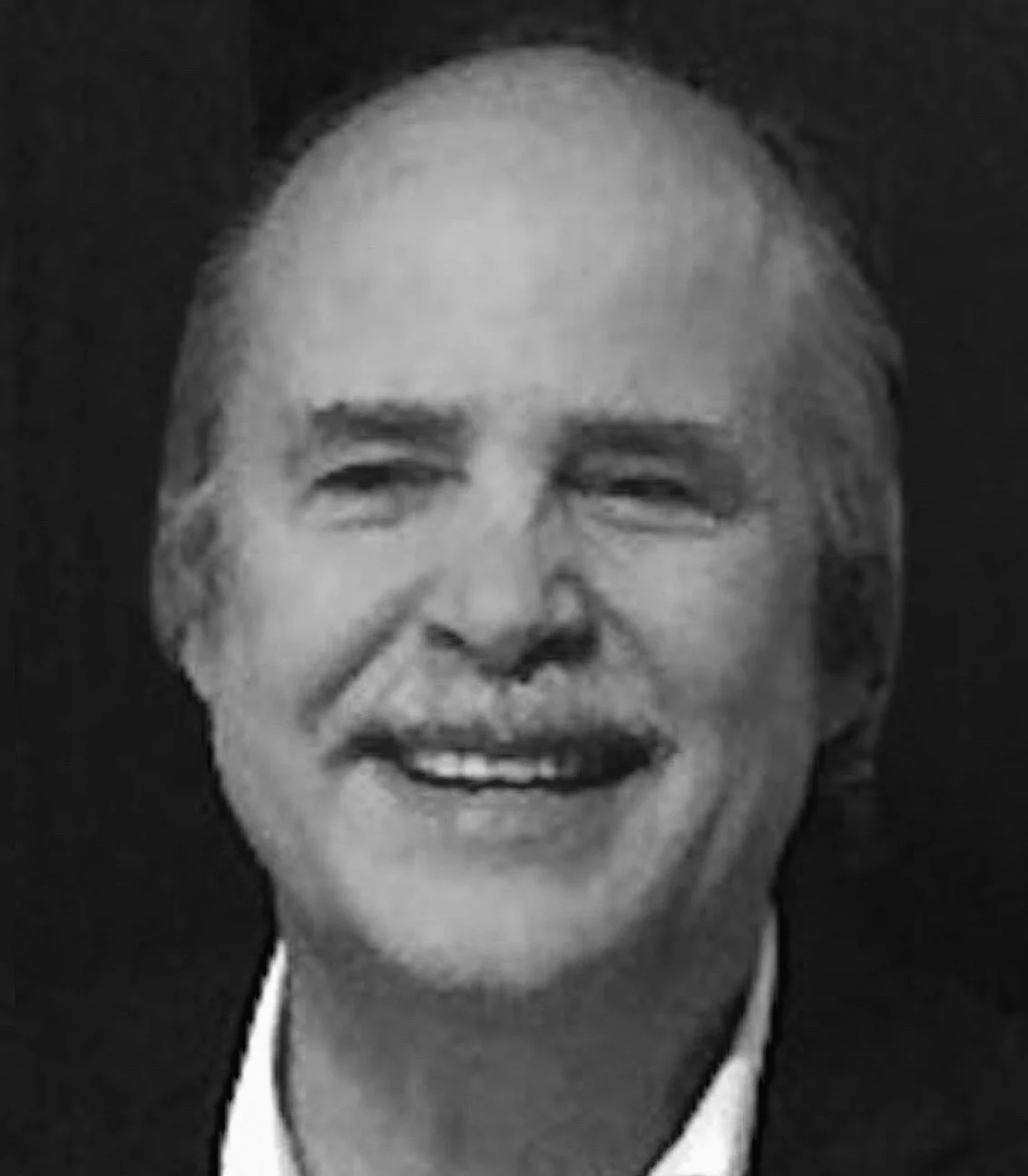
Michael W Mehaffy
Michael W Mehaffy, Ph.D., is a designer, builder, author, researcher, educator, and consultant in building and development, with an international practice based in Portland, Oregon. He has held teaching and/or research appointments at six universities in five countries, and he is on the editorial boards of two international journals. He is also on the boards of four NGOs including Portland-based Sustasis Foundation, where he is Executive Director, and the London-based International Network for Traditional Building, Architecture and Urbanism (INTBAU). Michael studied and worked closely with Christopher Alexander, and has published extensively on his work.
www.sustasis.net


Pier Luigi Luisi
Luisi received his scientific education at the Scuola Normale Superiore in Pisa, Italy. His work continues in the best tradition of Italian visionaries of science and the humanities with a cross-cultural approach to Origin of Life. Luisi is currently chair of biochemistry at the University of Roma Tre and director of the Luisi lab, which focuses on Origin of Life, cell models and the self-organization and self-reproduction of chemical and biological systems. Author of 10 books, among them: The Systems View of Life: A Unifying Vision with Fritjof Capra, The Emergence of Life: From Chemical Origins to Synthetic Biology, Mind and Life and 500 scientific papers.
+39 06 5733 6329
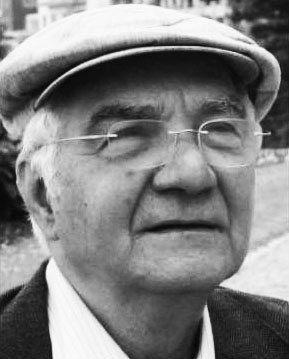
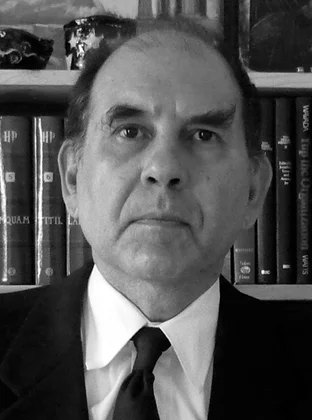
Nikos A. Salingaros
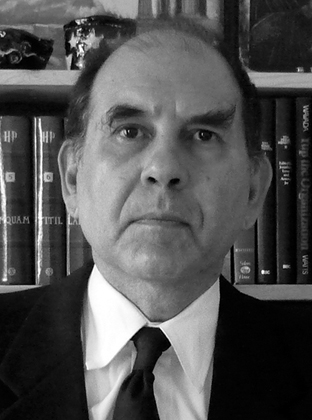
Nikos A. Salingaros PhD is an internationally recognized Urbanist and Architectural Theorist. Professor of Mathematics at the University of Texas at San Antonio, he has held guest professorships in Architecture at the Delft University of Technology, Tecnológico de Monterrey, Querétaro, Mexico, and Università di Roma III. He has directed and advised eighteen Masters and PhD theses in architecture and urbanism. His publications include the books Algorithmic Sustainable Design, Anti-Architecture and Deconstruction, A Theory of Architecture, Design for a Living Planet, Biophilia and Healing Environments, Principles of Urban Structure, P2P Urbanism, and Unified Architectural Theory, which are translated into many languages.
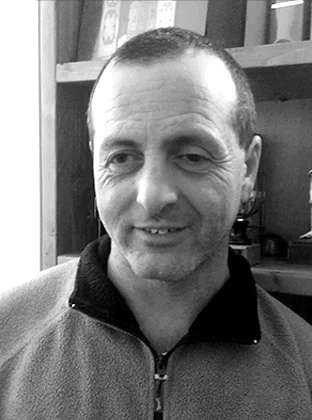
Felice Tagliaferri

Blind since the age of 14, Felice discovered his love for Art in his late twenties, when he was trained by renowned Italian sculptor Nicola Zamboni and then in several marble workshops in Carrara. He has developed a long and peculiar experience in teaching, thanks to his sensitivity and his ability to empathically connect to people. His art, mainly representational, is characteristically tactile as well as social, as he pursues the ideal of Art as universal heritage and, as such, accessible to each person according to their abilities.
Twitter: @f__tagliaferri
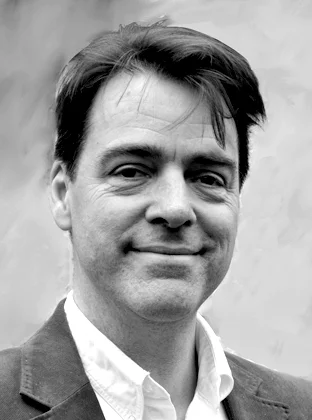
Karl Kropf

Karl Kropf is Director of urban design consultancy Built Form Resource and Senior Lecturer at Oxford Brookes University. He has more than thirty years experience in the fields of urban design, landscape architecture, architecture and historic conservation working in the UK, France and US. Combining academic research in urban morphology and practice in urban design, his aim is to use the insights from one to improve the other. He publishes regularly in academic journals and is currently preparing the Handbook of urban morphology with John Wiley & Sons.

Paolo Robazza

Architect, coordinator of the Beyond Architecture Group, he is expert in sustainable architecture and experimental construction techniques with natural materials. He has international experience in urban regeneration through strategies of participation and self-build.
Sandra Pierpaoli
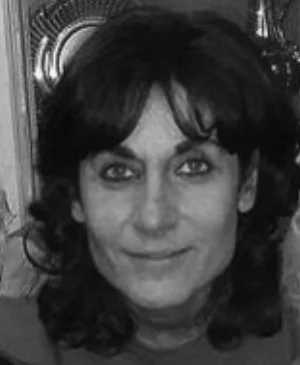
Psychologist and Psychotherapist, specialist in Bio-energy and Drama-therapy, Art-Therapist Trainer (Siaf registered), she leads ScuoLAReTÉ, an educational program of Arts and Expressive Therapies of APS Il Boschetto di Pan. She is founding partner of APS Il Boschetto di Pan, for which she realized many educational and therapeutic projects. She has conducted for many years laboratories of Integrated Drama and Art Therapy for disabled young persons and young persons with relational disorders at the ASL RM/C and the AVASS Cooperative. Since 1999 she delivers private clinical activities in Rome with adults, adolescents, couples and groups. She is teacher of Bio-energetic Analysis and Integrated Drama Therapy, and Clinical Supervisor of students in education.
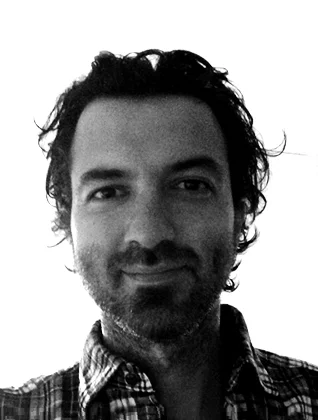
Emanuele Strano

Emanuele is a post-doc researcher based at MIT and DLR. He aims to understand drivers and consequences of cities and global urbanization. He mixes urban theories, complex networks and remote sensing to map, model and study patterns of urbanization across the globe. As an architect by background, he is also interested in urbanism and urban planning. He publishes several articles on such topics.
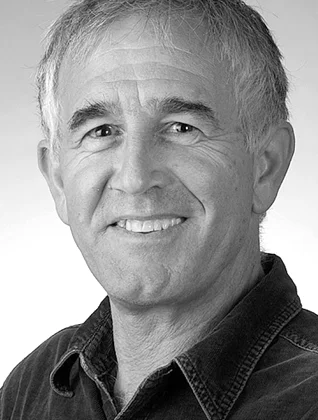
Seth Wachtel

Seth Wachtel is Dept. Chair of Art + Architecture at the University of San Francisco in California. He worked many years with Christopher Alexander and the Center for Environmental Structure during the height of their design/build period. Since 2004, he has guided USF’s Architecture program, focusing on learning through real projects for underserved communities worldwide. The curriculum has students designing culturally-connected environments using innovative construction techniques, to produce heritage preserving, locally appropriate buildings. He has received awards for teaching, service and research, and has ongoing projects in numerous countries, including a National Endowment for the Humanities grant, Discovery and Documentation of At-Risk Built Heritage.
Tonino Aspergo
Advanced Professional Counsellor, Group facilitator, qualified at the SIB (Italian Bio-systemic Society) of Rome, member of REICO (Professional Counseling Association). Expert of Artistic Craftsmanship, he achieved the Quality Mark of the Province of Rome for Museum Merchandising, and exhibited his production of objects at the Etruscus Museum of Valle Giulia, Castel Sant’Angelo, the Casina delle Civette in Villa Torlonia, as part of the events for the Artistic craftsmanship dissemination organized by the Province of Rome. Creator and tutor of Artistic Educational Craftsmanship courses, founder and President of APS Il Boschetto di Pan, he works on the dissemination, promotional and educational aspects of Art Therapies and social projects.
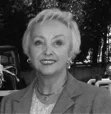
Silvana Ceresa

Qualified in philosophy and successively in psychology, psychotherapist, Jungian analyst, management consultant, philosophic counsellor, works both in private clinical counselling and in business organization management in Italy and the French-speaking world; leads supervisor groups of different types; senior partner and board member of Ariele, founding partner of Sicof, member of Arpa-Jung, member of IAAP (International Association for Analytical Psychology) and IAGP (/International Association Group Psychotherapy), vice-president and founding partner of Gajap (Groups Analytical association for intercultural research on Jungian Psychology, Psychodrama), speaker at Schools of specialization and psychology at the UPS University II Level Master in Philosophic Counselling (until 2012).
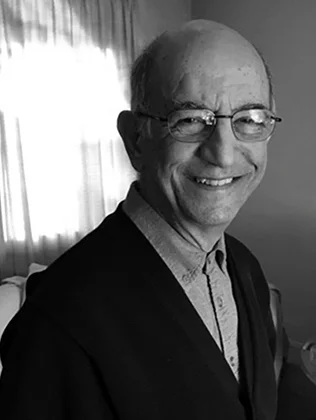
Besim S. Hakim
Besim S. Hakim, FAICP, AIA, professional studies were completed at Liverpool University and the Architectural Association in the UK and at the Graduate School of Design at Harvard. Our interview with him is posted here. His ongoing research is on rule systems and customary laws in traditional architecture within the unique contexts of the Cyclades islands in Greece, Spain, Italy and Northern Nigeria coupled with his previous findings from North Africa and the Middle East will, accumulatively, provide a fertile base of insight in how quality was achieved in the built environment of numerous geographic/cultural contexts. He has explored the possibilities of transferring the lessons to the contemporary context: particularly in the areas of management, decision-making structures and code formulations for town planning purposes. The ultimate goal is the creation of the necessary legislative and technical mechanisms that would ensure the achievement of high quality in the built environment of contemporary towns and suburbs, as well as the revitalization of historic and heritage districts.
Professor Hakim’s publications (books, articles and technical reports) cover the following areas of inquiry: Architectural Pedagogy, Culture and Built Form, and Urban Design/Planning. He has published a book titled Arabic-Islamic Cities: Building and Planning Principles, Kegan Paul International, London 1986, addressing the factors that shaped traditional cities in North Africa, with particular emphasis in identifying the underlying rules and customary practices. The book received excellent reviews and was awarded a Citation for Research by Progressive Architecture in 1987. It was translated to Japanese and published in Tokyo in late 1990. A Farsi translation was published in Tehran in 2002, and an Arabic translation was published in Cairo in 2015. The book has had wide influence on recent research and related publications, and on numerous PhD dissertations. His latest book published by Springer in September 2014, is titled Mediterranean Urbanism: Historic Urban/Building Rules and Processes, covers Greece, Italy, and Spain and a resume of the book is available at Springer.com.
Professor Hakim has also published extensively in professional and scholarly-refereed journals, and was responsible for planning projects, which were adopted by the respective local governments in Halifax, N.S. and Albuquerque, NM. His biography is published in Who’s Who in the World and Who’s Who in America. Some of his work can be viewed and downloaded from: historiccitiesrules.com.
Video: Lecture at ISB Summer School by Besim Hakim


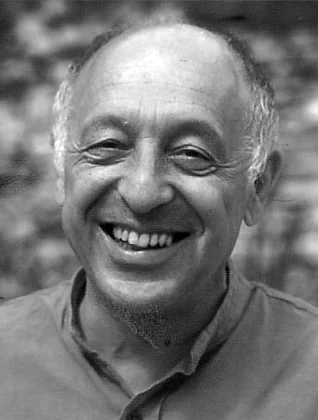
Nabeel Hamdi
Nabeel Hamdi qualified at the Architectural Association in London 1968. He worked for the Greater London Council between 1969 and 1978, where his award-winning housing projects established his reputation in participatory design and planning. From 1981 to 1990 he was Associate Professor of Housing at the Massachusetts Institute of Technology (MIT), where he was awarded a Ford International Career Development Professorship.
In 1997 Nabeel won the UN-Habitat Scroll of Honour for his work on Community Action Planning. He founded the Masters Course in Development Practice at Oxford Brookes University in 1992, which was awarded the Queen’s Anniversary Prize for Higher and Further Education in 2001. He was awarded an Honorary Doctorate from the University of Pretoria, South Africa in 2008. He was ARUP Fellow at the University of Cape Town, Adjunct Professor at the National University of Technology, Trondheim Norway and recently visiting professor at the Graduate School of Design, Harvard University. He is currently Professor Emeritus at Oxford Brookes University.
Nabeel has consulted on housing, participatory action planning and upgrading of slums in cities to all major international development agencies, and to charities and NGOs worldwide. He is the author of The Spacemakers Guide to Big Change (Earthscan from Routledge 2014), The Placemakers Guide to Building Community (Earthscan 2010), Small Change (Earthscan, 2004), Housing Without Houses (IT Publications, 1995), co-author of Making Micro Plans (IT Publications 1988) and Action Planning for Cities (John Wiley and Sons, 1997), and editor of the collected volumes Educating for Real (IT Publications 1996) and Urban Futures (IT Publications 2005).
Video: Interview with Nabeel Hamdi

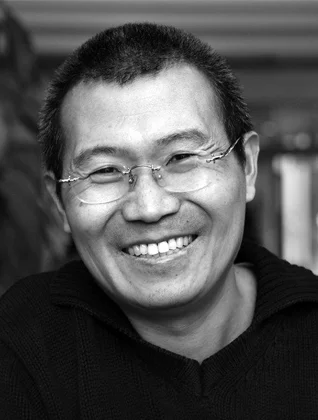
Bin Jiang

Dr. Bin Jiang is Professor at The Hong Kong University of Science and Technology (Guangzhou), where he serves as Professor of Urban Informatics in the Social Hub. He is also the Founding Director of LivableCityLAB and Acting Master of Residential College 1. His research focuses on geospatial analysis, urban science, and people-centered urban governance, with particular emphasis on topological analysis, scaling hierarchy, and living structure. He is the developer of Axwoman and the inventor of head/tail breaks, widely used methods for analyzing urban and geospatial big data. Inspired by Christopher Alexander, he pioneered quantitative models of structural beauty, including the L score, and Beautimeter, and advances a Living Structure + AI paradigm for human-centered urban design and governance.

Camilo Boano

Camillo Boano, PhD, is an architect, urbanist and educator. He is Senior Lecturer at The Bartlett Development Planning Unit, University College of London (UCL), where he directs the MSc in Building and Urban Design in Development. He is also co-director of the UCL Urban Laboratory. Camillo has over 20 years of experiences in research, design consultancies and development work in South America, Middle East, Eastern Europe and South East Asia. His research interests revolve around the encounters between critical theory, radical philosophy with urban and architectural design processes, especially those emerging in informal and contested urbanisms.
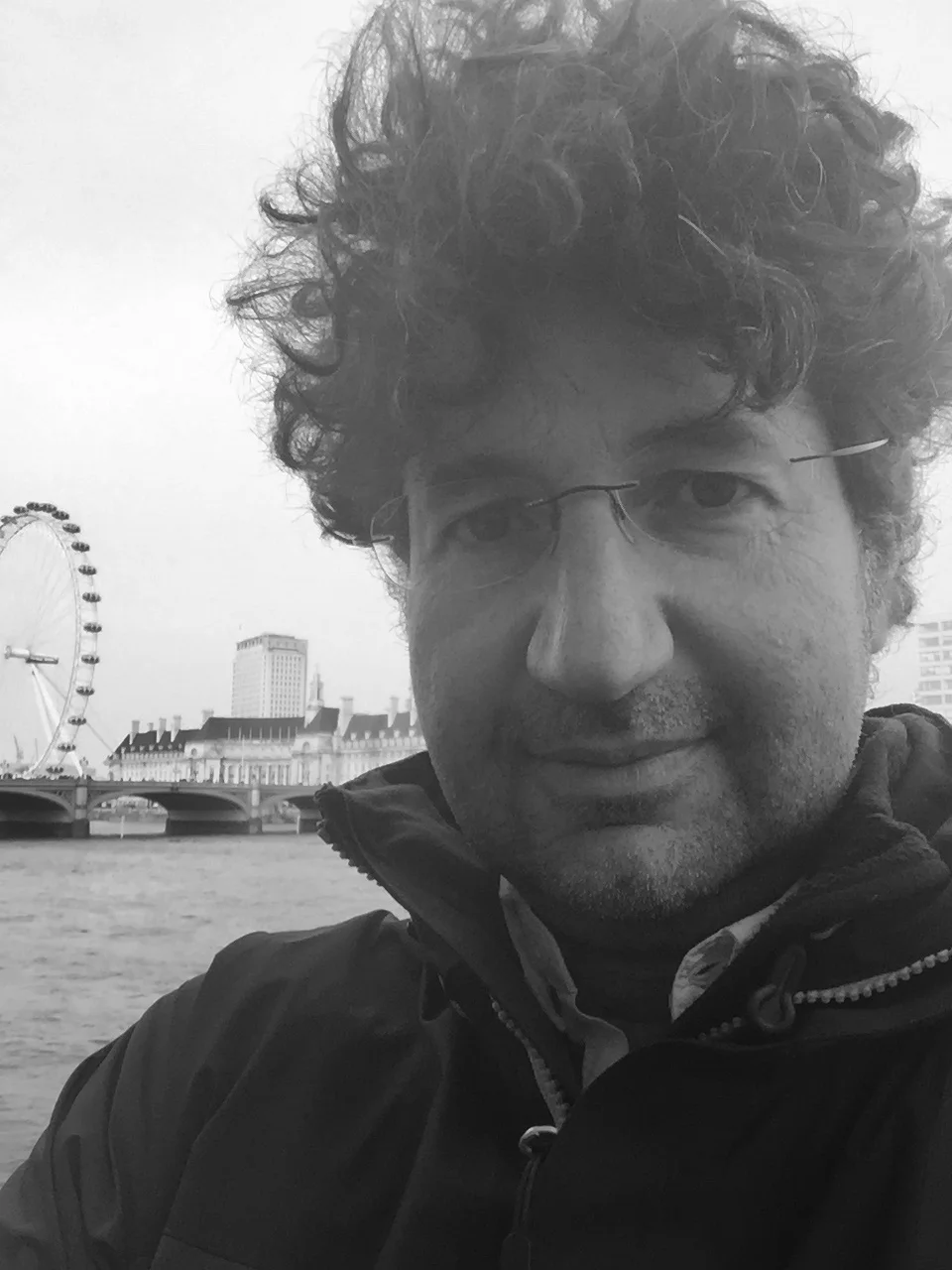
Vito Latora

Vito studies the structure and the dynamics of complex systems using his background as theoretical physicist and some of the methods proper to statistical physics and nonlinear dynamics to look into biological problems, to model social systems, and to find new solutions for the design of man-made networks. He is currently interested in the mathematics of multiplex networks, and is working with neuroscientists and with urban designers to understand the growth of networks as diverse as the human brain or the infrastructures of a city.